This Week: The Heroes We Need - BRAHMASTRA and THE WOMAN KING
Overview:
Brahmastra Part One: Shiva - Not Recommended
The Woman King - Recommended
Brahmastra Part One: Shiva
India, 2022, d. Ayan Mukerji, 2h47m, In theaters now
Indian cinema is having a moment. In March, the Telugu-language action spectacle RRR opened worldwide. The director - S.S. Rajamouli - has a growing cult following in film buff circles, and "film Twitter" was suddenly ablaze with glowing reviews. Weeks after its strong opening, the audience grew again and the movie began opening in cinemas that don't normally play Indian films. The Alamo Drafthouse started selling out special one-night-only engagements. Six months later, these encore screenings are still popping up, including at the Toronto International Film Festival and Beyond Fest (L.A.), festivals which generally exist to market movies that have not already been released. (TIFF is currently seen as one of the best places to start an Academy Awards campaign...)
For decades, Bollywood was king. The Mumbai-based film industry produces Hindi-language movies which serve the largest market in India (dubbing into other languages is common). But lately, the perception has been that Bollywood has been in a slump, while other Indian film industries have innovated, expanded, and become serious rivals.
To that end, this week the most hyped up and possibly biggest budget Hindi-language film of the year has opened, and thanks in part to RRR has opened on more screens in North America than any other Indian film. It is the first film in a planned trilogy (at least) - India's answer to the Marvel Cinematic Universe - a new franchise of superheroes based on Indian mythology.
Major stars Ranbir Kapoor and Alia Bhatt are joined by Amitabh Bachchan, the biggest Indian movie star of the '70s, and Shah Rukh Khan, the biggest movie star of the '90s and '00s, to create something of a rare Avengers-style team-up.
It is mostly to its detriment that Brahmastra uses the Marvel cinematic universe as its obvious template, which is increasingly feeling out of fresh ideas. Superpowers don't have any clear rules or limitations, and thus don't provide any real stakes. The hero Shiva is a saintly provider for orphans like himself, but it turns out he has a secret superpowered lineage has destined him to become the new savior of Earth.
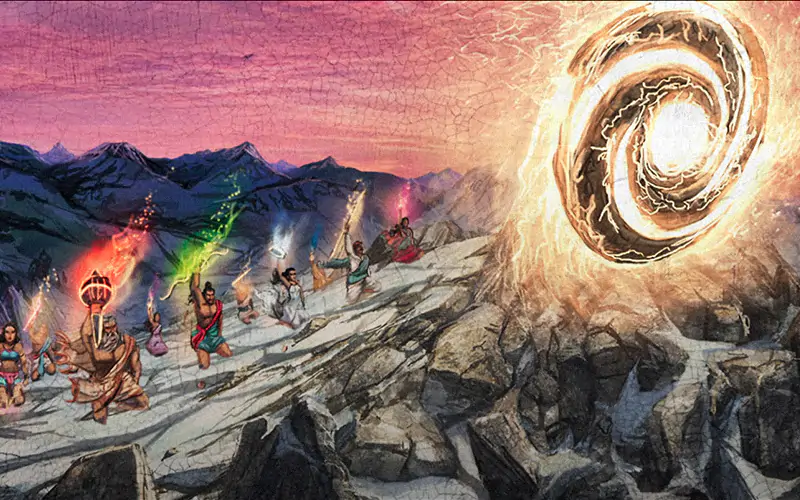
The superheroes here are powered by "astras", magical weapons from Indian folklore. They function remarkably like the Infinity Stones of Marvel, and the villains seek to collect them all in order to, well... destroy Earth, as you do.
On the plus side, just by virtue of being a Bollywood film, Brahmastra has entertainment value in spades. Marvel wishes they could choreograph action as creatively as this movie does. It is more colorful and visually striking than most recent Marvel superhero movies, and has a massive dance number which (they claim) features 1200 dancers in stunning synchronization.
Since Marvel doesn't seem to be interested in a musical in their universe, this will have to suffice. At least until Brahmastra Part Two: Dev, which could yet bring the series out of formulaic territory.
The Woman King
USA, 2022, d. Gina Prince-Bythewood, 2h15m, In theaters now
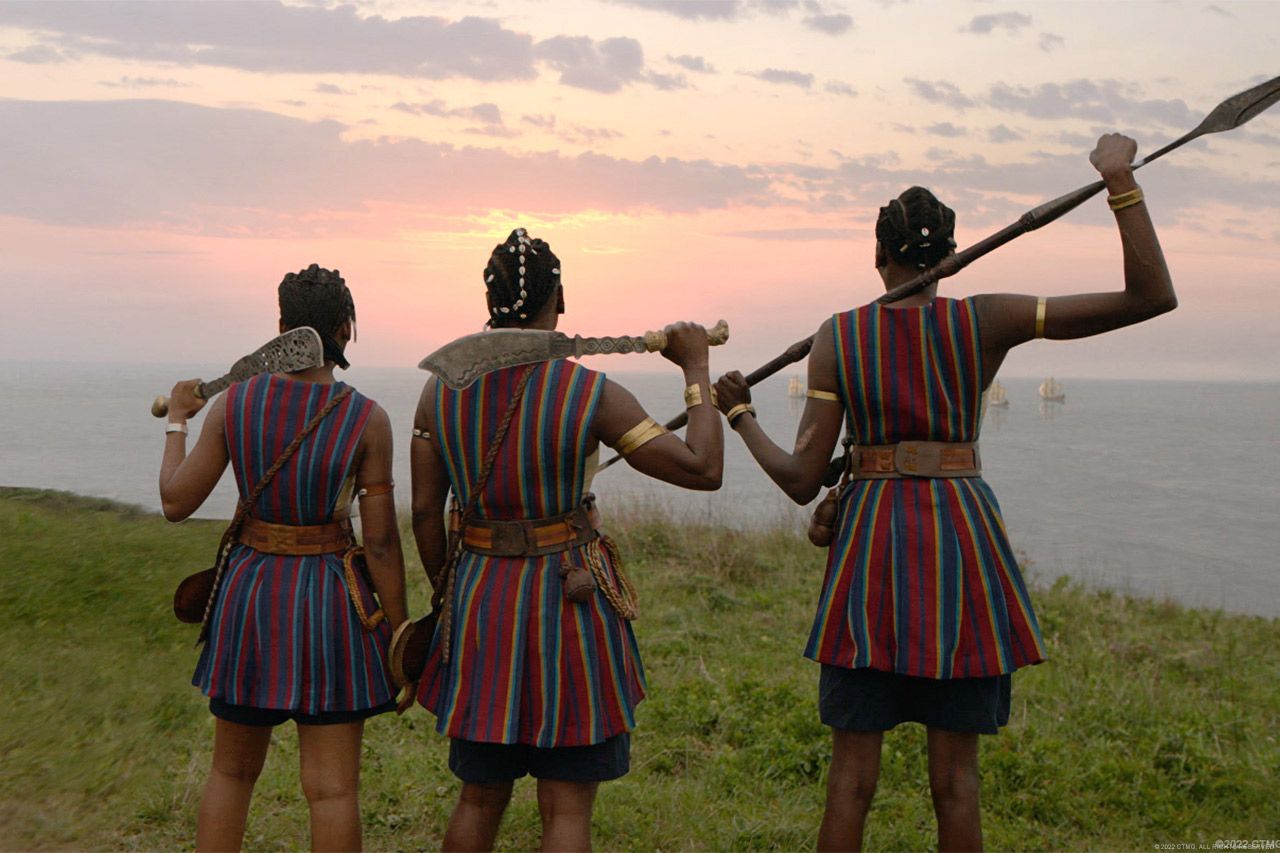
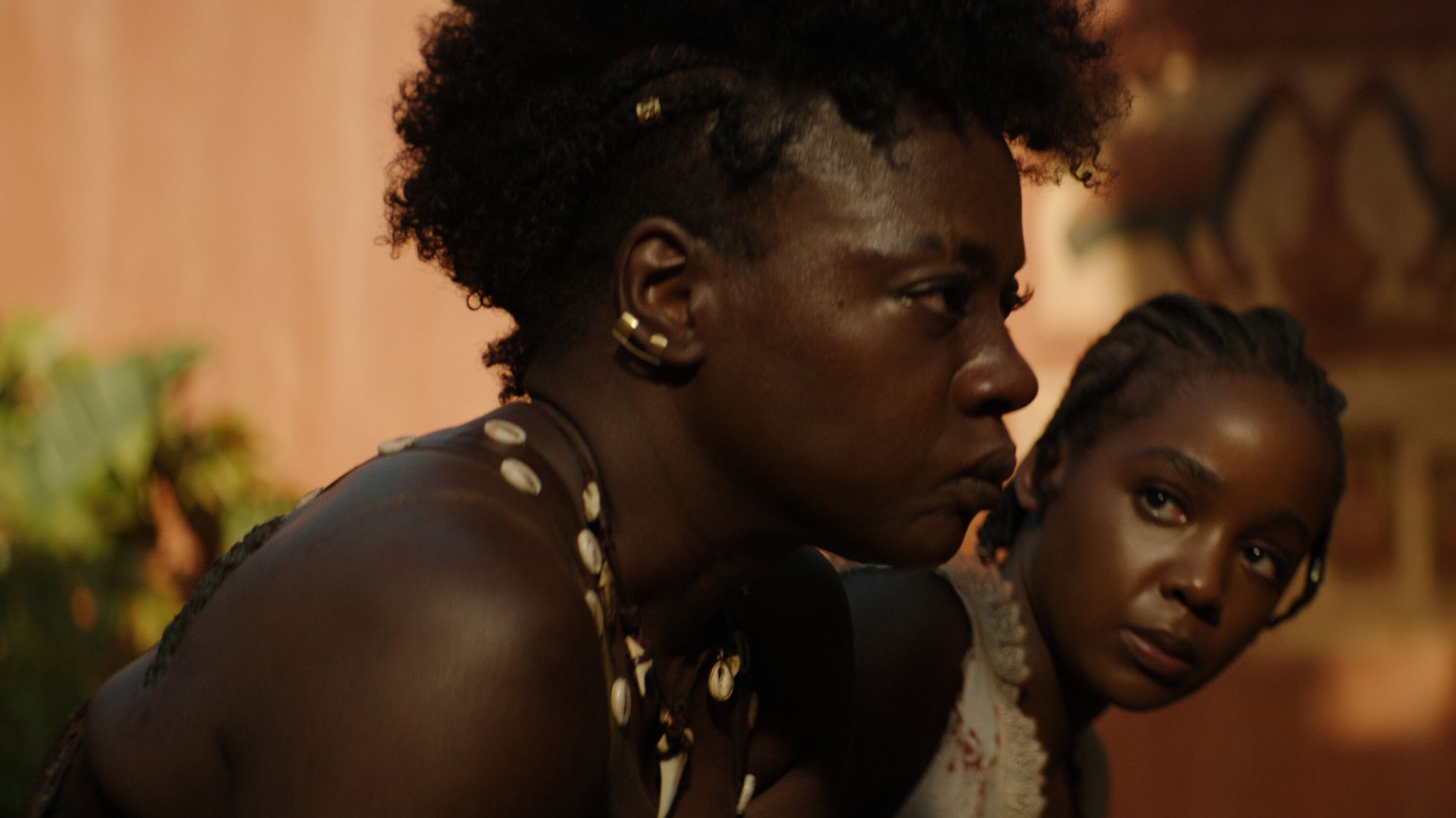
The Woman King tells a fictional story crafted around a historical group of female warriors, the Agojie, in the Kingdom of Dahomey in West Africa in the early 19th century. Through Nawi (Thuso Mbedu) we learn how young girls might come to join the Agojie and survive their rigorous training. Through the group's leader, General Nanisca (Viola Davis), we follow the political moves in the court of King Ghezo (John Boyega), and the strategic moves that are keeping the kingdom alive in the face of the larger, antagonistic Oyo kingdom.
This is an exciting action epic dotted with wonderful characters and performances, and (another) wonderful score by Terence Blanchard. A PG-13, the violence feels bone-crunchingly realistic while not being overly bloody.
While I am not qualified to comment on the accuracy of the portrayal of the Agojie or the Dahomey kingdom, I don't think there's been another major American film that has even attempted to do so in such a nuanced way. It also feels incredibly vital that this depiction exists on the screen, as American grade school students barely learn anything about real African history or culture.
There has been some commentary that The Woman King is somehow wrong for sugarcoating the Dahomey people's relation to the 19th-century European slave trade in West Africa. In the movie, Nanisca tries to get King Ghezo to get out of the business of selling their fellow Africans to Europeans, and this is not rooted in history. However, what this film cleverly does is dramatize the social and economic forces which normalized this practice in West African society. And that is a story which I only barely learned in U.S. college-level world history.