The Movies of 2025
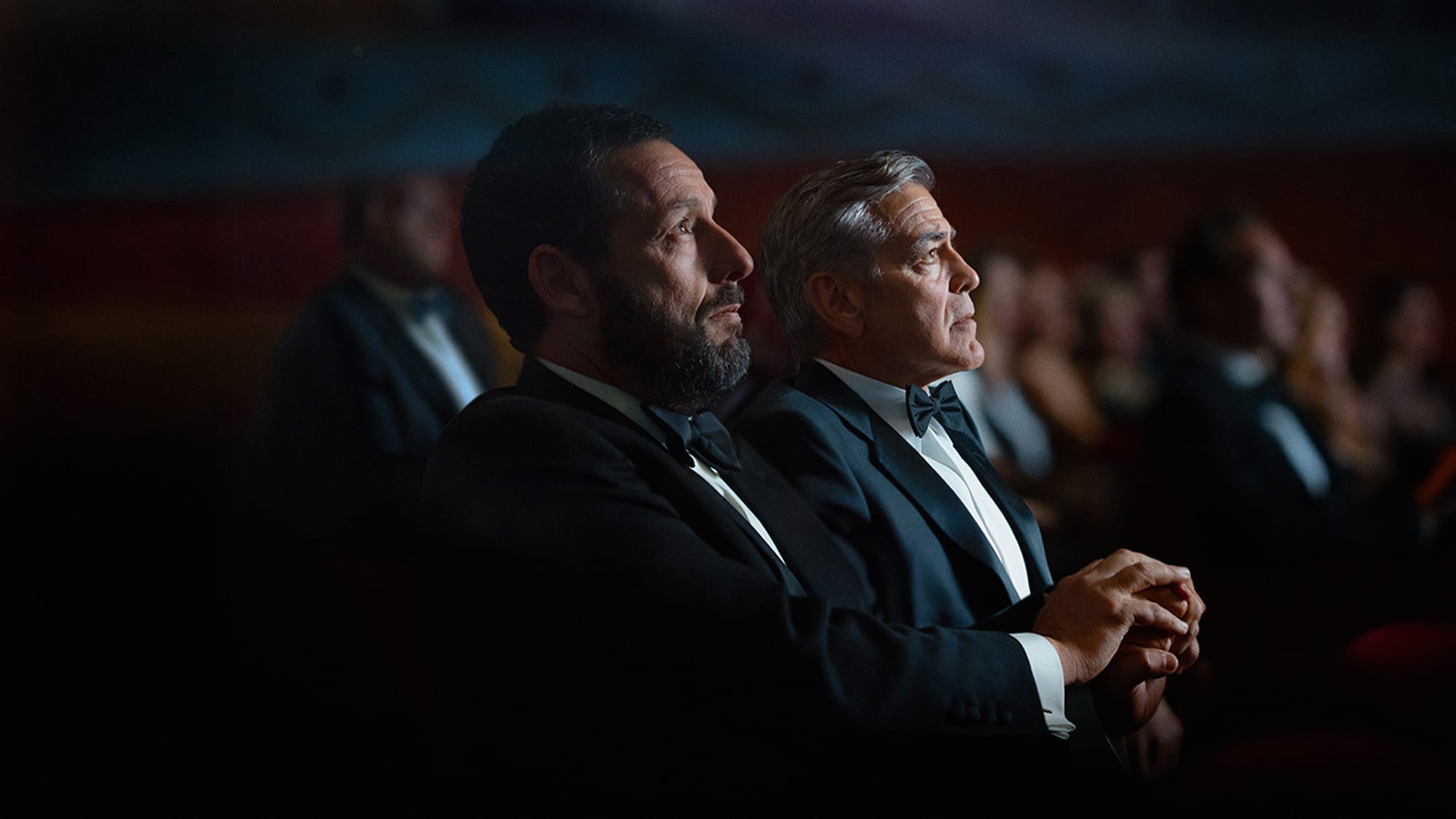
I started 2025 unable to regularly watch movies, unable to get to the city (Hanoi) to watch movies in cinemas, but also unable to find the time to watch a full movie in the evening while getting ready for classes the next day.
But once I got the hang of teaching, I found time for both. I started a weekly movie club for my fellow Peace Corps volunteers, so that most weeks we could get together online. I made an effort to see several movies in cinemas, even one in IMAX. And while I don't think anyone will say that 2025 was a great year for movies, there was a lot that was solid and unique and made me optimistic for the near future.
I didn't have time to finish an Oscars breakdown, but I have been catching up on them and was surprised at how much I got to see this year. Here's my Top 10 - which I rated 4 stars or higher - followed by about 20 more movies that I am also glad I watched and would recommend.
#1 - One Battle After Another
Movies like Magnolia and There Will Be Blood are among the Great American Movies of the 21st Century. But Paul Thomas Anderson hadn't yet won an Oscar (not that that's important). His win for OBAA is not just a lifetime achievement award; I think this was a deserving masterwork in its own right. Sitting down to watch it, I was baffled for about an hour. Cartoonish satire in an alternative United States would seem to be dangerously at odds with the serious social issues that are touched upon: white supremacy, racial tensions, and mass deportation.
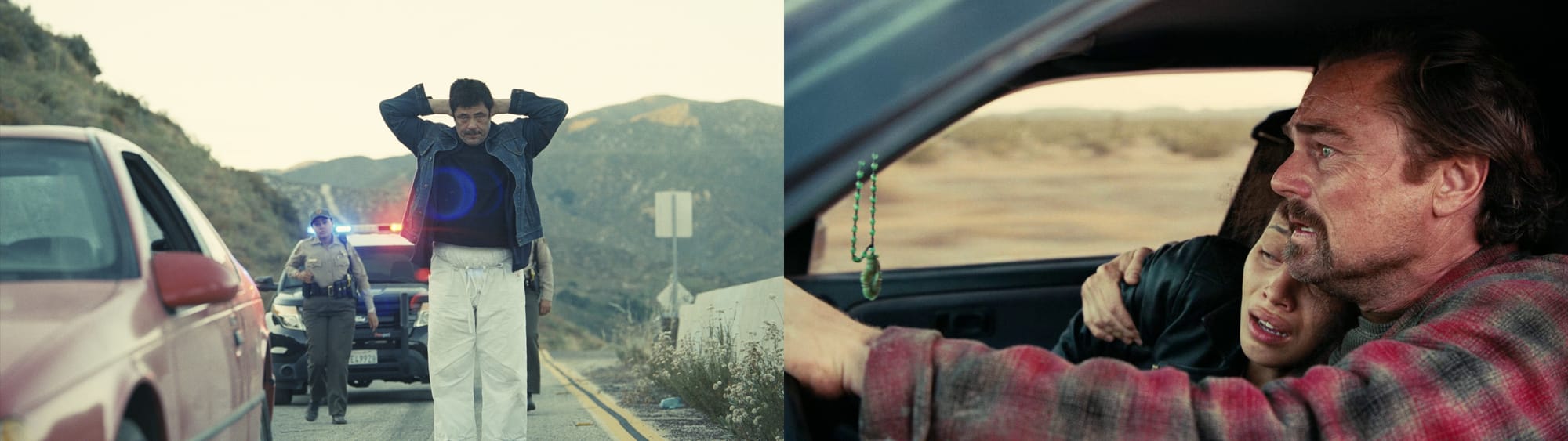
The film is ultimately about the failures of a generation and the legacy left to the next generation. It also shows that PTA has not stopped evolving as a filmmaker; he merged his new improvisational/collaborative style with the detailed world-building of his earlier works. For example, Benicio del Toro made suggestions about his character that led to a rewrite of his section of the movie. The movie feels sprawling and novelistic, but somehow these different episodes do not feel like detours that could have been left out.
#2 - 28 Years Later
28 Days Later is rightfully known as a milestone in the horror genre. It gave us gritty, digital handheld "shaky cam" (for better and worse) and "fast zombies". But the "infected" were never meant to be zombies; the "rage virus" was a commentary on UK society. Danny Boyle and Alex Garland saw their country headed towards Brexit decades in advance.
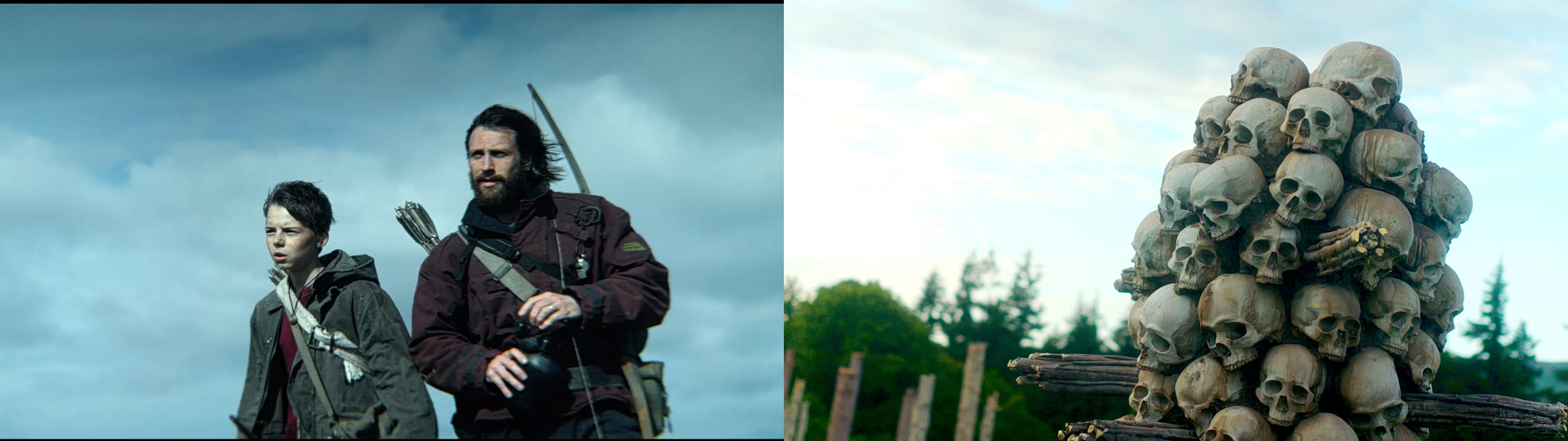
Many people were bewildered by this stylistically disconnected sequel, which is only intermittently a survival horror film. It is about the disillusionment of a generation at the lies it has inherited. Rather than end with a big horror-action set-piece it ends on a funeral, and a strange sort of soulfulness that is a discovery in the dystopian wasteland. The film is abrasive and startling (and requires some knowledge of British history & pop culture), but it's amazing that Danny Boyle is still experimenting with this much verve in his later filmography.
#3 - The Perfect Neighbor
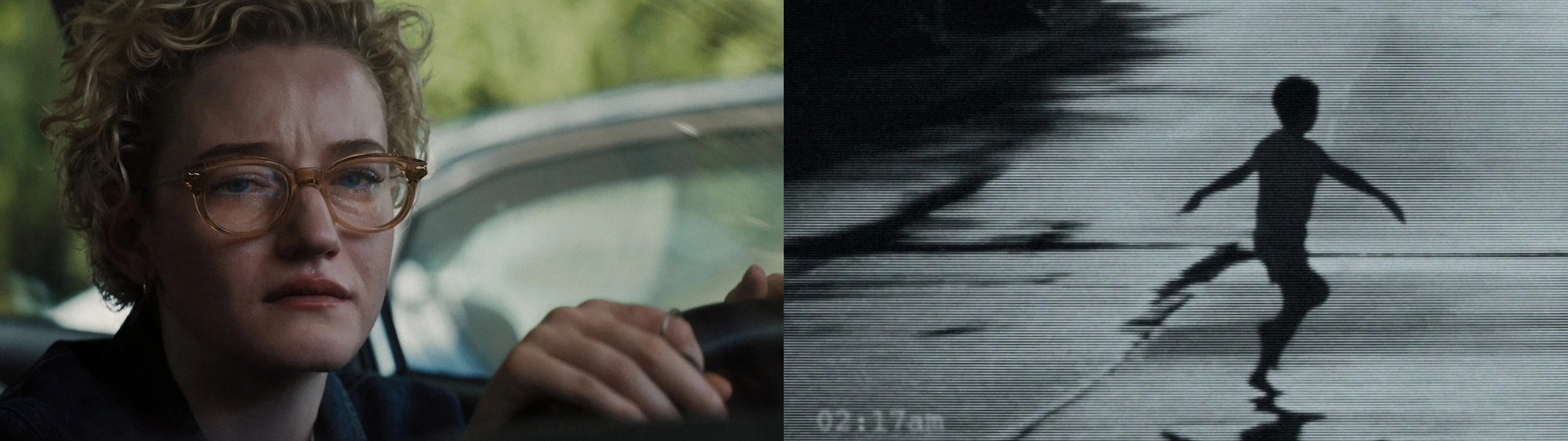
I can't begin to imagine how this film was "discovered" by its filmmakers and assembled, but it's the most impressive recent feat in the documentary genre. It lays bare the incivility in our country, as caught in one neighborhood with almost entirely real footage: mostly police body cam and Ring camera footage.
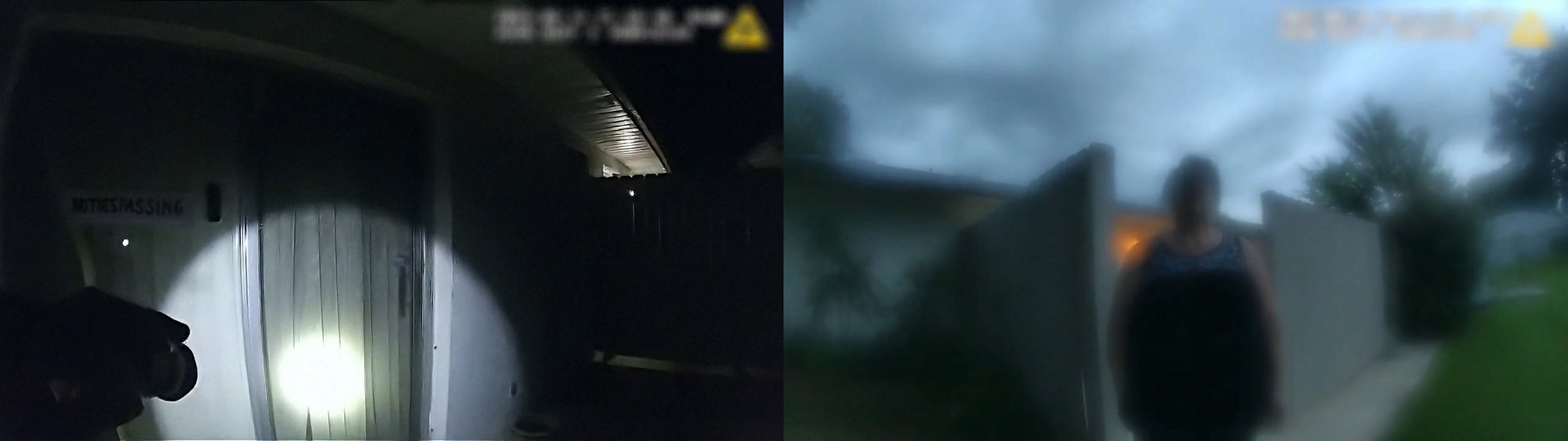
It is a new kind of cinema verité: the filmmakers tell the story in a narrative way without narration or commentary. Someone dies in this story, but the film does not feel exploitative of the families (which happens too often in true crime documentaries in the streaming era). Being able to watch this tragedy unfold underlines the problems in our neighborhoods; this is an essential piece of understanding what is wrong with us.
#4 - Sinners
I love all of Ryan Coogler's films so far, but this one gave me a more complicated reaction; I felt let down by a weak climax. But I think this will stand the test of time and only be talked about more and more. The vampires don't show up until well into the movie, and they are a somewhat awkward metaphor for cultural appropriation. The questions and interpretations this raises may be argued forever.
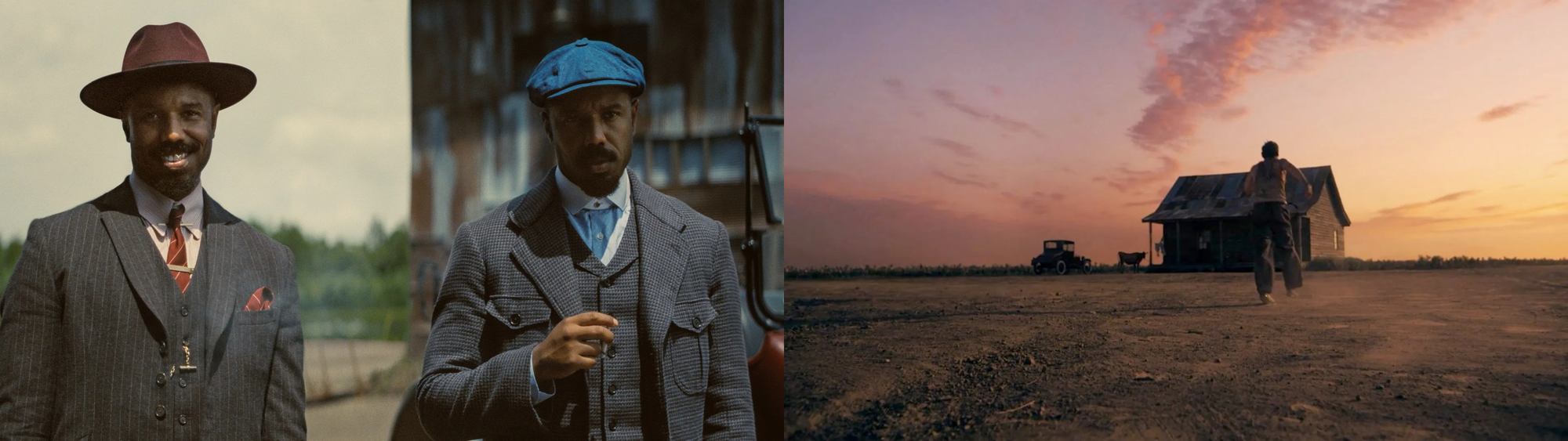
But the most astounding and beautiful sequence in any movie this year is "The musical sequence". A scene that spans centuries - past, present, and future - of black excellence, in a way that could only have been conceived from an African-American cultural perspective.
#5 - Black Bag
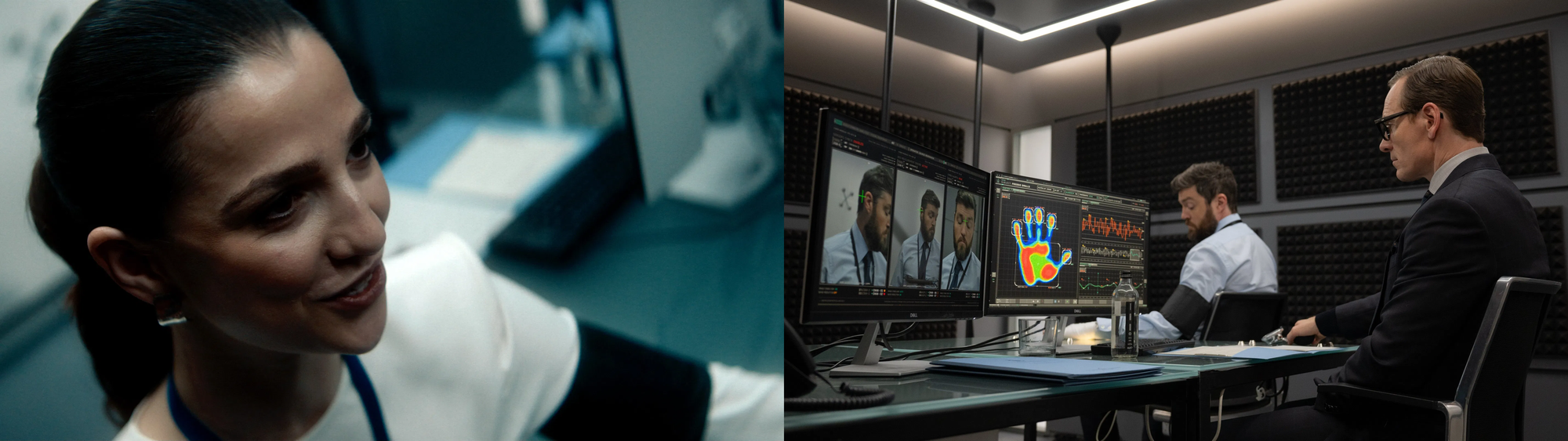
When Steven Soderbergh makes a "spy movie" you think you're getting him in Ocean's Eleven or Traffic mode: big-budget blockbuster bombast. But here he's doing a domestic drama, about two agents who are married. All of their friends are also spies; their day-to-day lives are banal paperwork, intelligence gathering, and psych evaluations which play out like therapy sessions. This is a deft exploration of trust in marriage that's low-key but unexpected and satisfying.
#6 - Bring Her Back
This horror film was controversial for its use of violence against children. The directors of Talk to Me are very Gen-Z and used to make inane Youtube videos, but this movie is so much more thoughtful and mature than people have given it credit for. The characters are well-crafted; you expect that from Sally Hawkins, but the child actors are believable too. And while "serious" horror films lately have tackled the theme of grief ad nauseum, this one is more interested in depicting how vulnerable foster children are to abuse. It's upsetting but valuable.
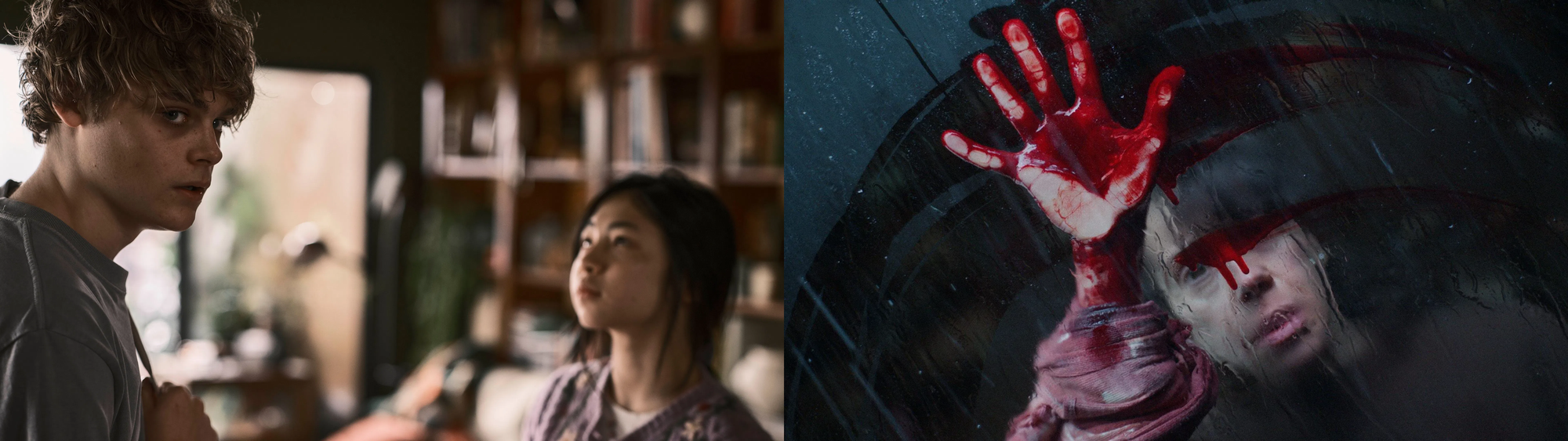
The supernatural elements of this movie seem random on first viewing, but the writers worked out the "lore" in detail and you can watch a second time to work out some of what is happening off-screen. It's really mature that the filmmakers focused on the humanity of the story and resisted a showy reveal.
#7 - It Was Just an Accident
Iranian cinema used to be rich and poetic, but most of its artists have been censored into submission over the last few decades. Jafar Panahi never quit. He has been imprisoned for the things he says with his movies, and the rules he breaks, such as not requiring his actresses to wear head coverings. Now more than ever, it is important for his films to be seen in the West to remind people that the Iranian people are diverse and don't often agree with their government. War can only hurt the chances of progress and regime change there.
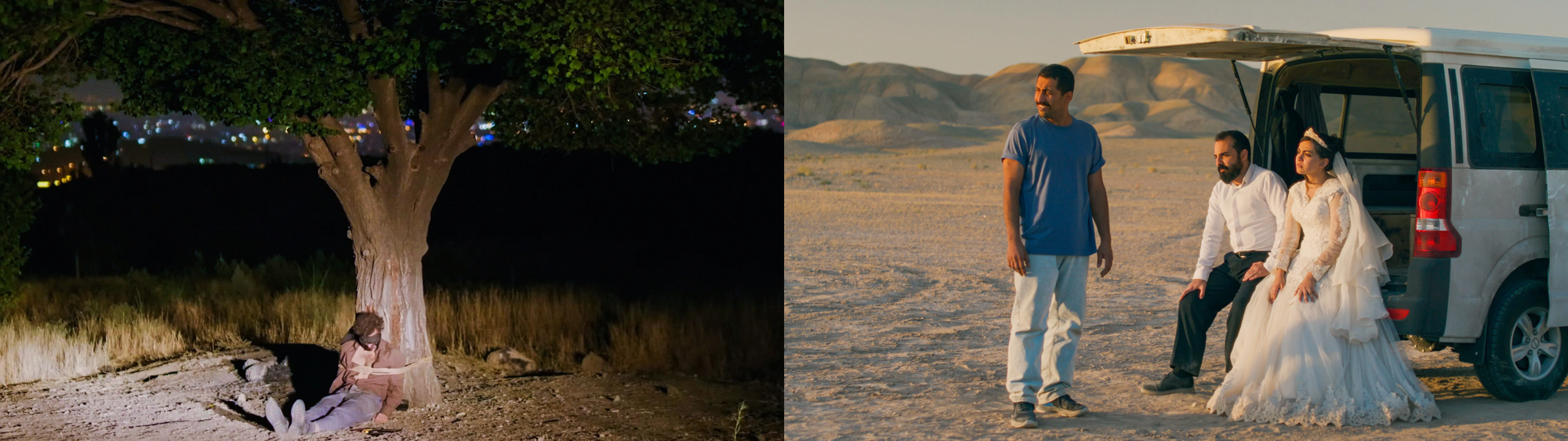
It Was Just an Accident builds on Panahi's experiences with imprisonment and torture, and his desire for revenge on his captors. Ultimately, it is about the toll that the desire for revenge costs. He always uses a mix of actors and non-actors, and is very analytical and dry with his drama. He rarely exploits his stories for suspense or action; this is the closest to a real thriller that he's made, but it has surprising detours that explore the ramifications of his characters' actions. The final shot is the most haunting of the year.
#8 - Sorry, Baby
The debut of director/star Eva Victor is a masterclass on how to handle a difficult topic without making the audience feel miserable. It's about the lasting trauma of sexual assault. But it's also frequently a very funny film. The best part about it is its free structure, jumping around in time - unshackled from three-act structure - but it's never confusing, and every moment is important and earned.
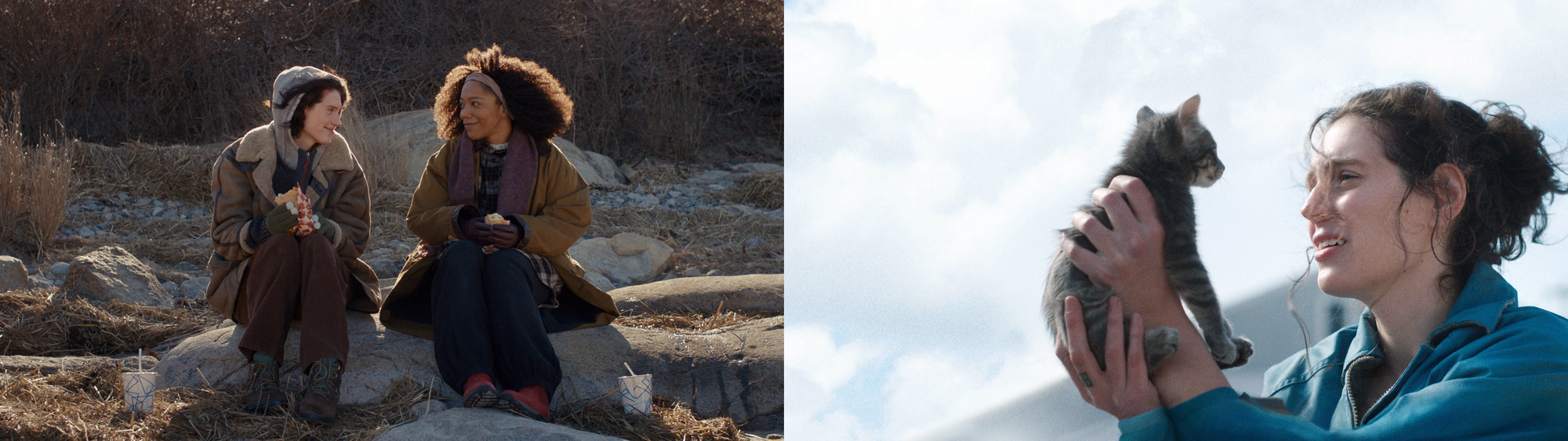
#9 - Sirāt
The most visceral movie experience of the year. I didn't get to see this in the cinema where it would have had the maximum impact, but more than any other film I watched on my laptop - it sucked me in like I was there. It is a slow and arduous journey of a group of ravers, driving off-road in Western Sahara - the military is trying to expel tourists during armed conflict - to get to some rave that is supposedly happening in the desert. It is a slow descent into hell. The film raises more questions than it answers but it is inextricably linked with Islamic and particularly Sufi beliefs. Some of the best photography and sound of the year, and I'm glad it got some Oscar love.
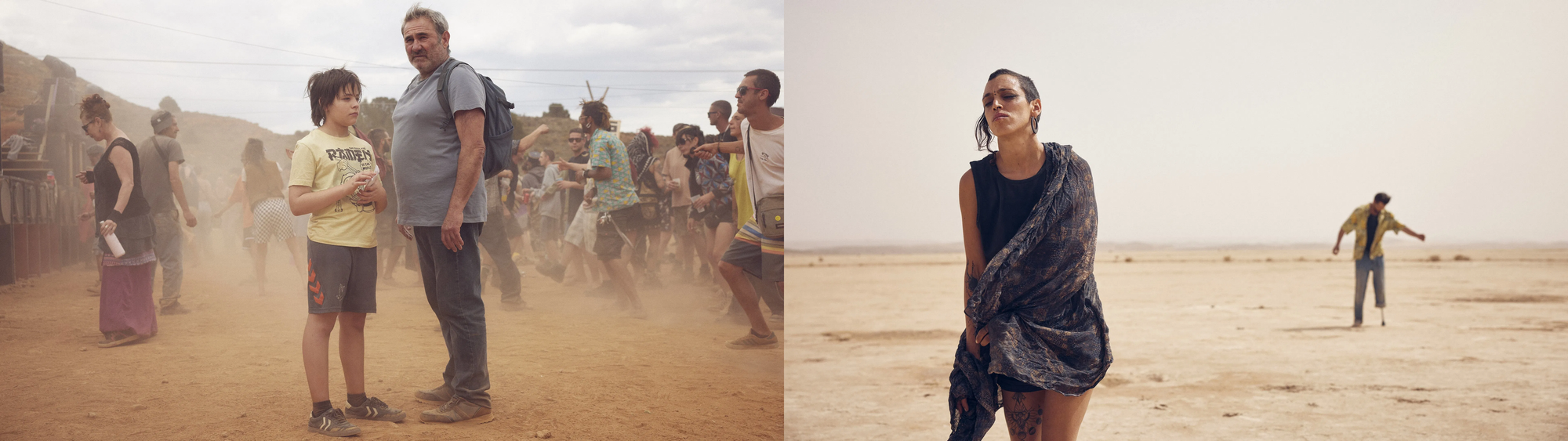
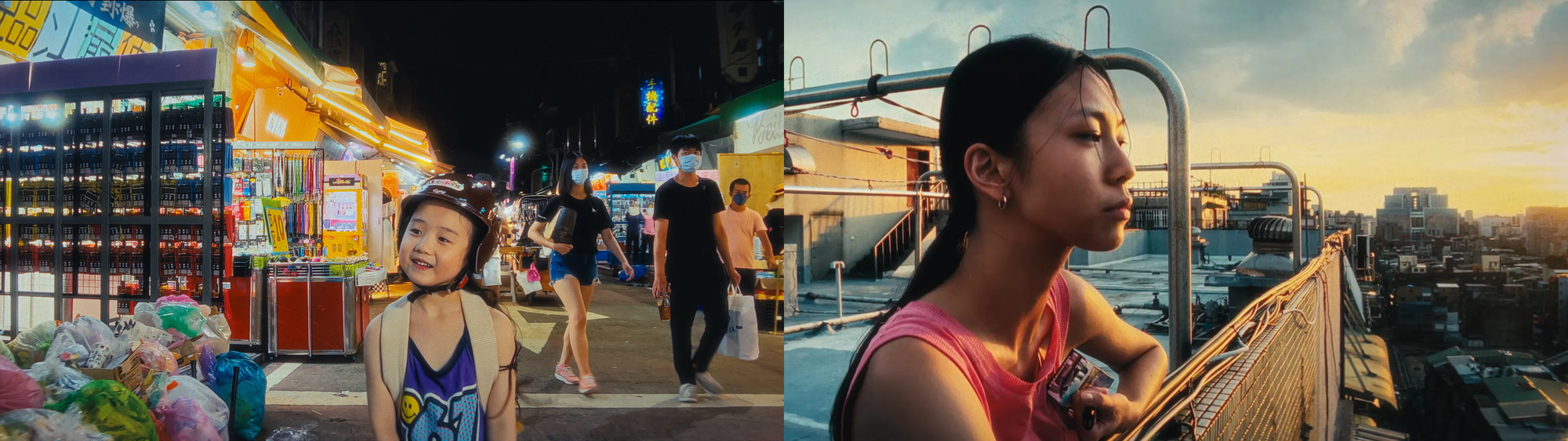
#10 - Left-Handed Girl
From Shih-Ching Tsou, a frequent collaborator of Sean Baker (Anora), comes a story about single women in Taiwan. It was shot on an iPhone, which you would never suspect, except you won't see another film this dynamic or vibrant all year. You will be laser-focused on the charismatic 5-year-old I-Jing as she wanders around Taipei's night market unsupervised. It seems so dangerous, but don't worry: that's not where this is going. The conflicts between the generations of her family she doesn't understand at first, but as it's all revealed you feel more and more sympathy for everyone.
Also making this year memorable:
Richard Linklater
I really loved Nouvelle Vague, an account of the making of the watershed French film "Breathless". This shouldn't work as a film - it sounds like empty fandom/cosplay - but it manages to work as a portrait of how movies are made as a collaborative artform. I have no idea if it would appeal to someone who does not know these real-life figures already, who are larger-than-life personas (but only to the small sub-set of people who are deeply into the 1960s French New Wave).
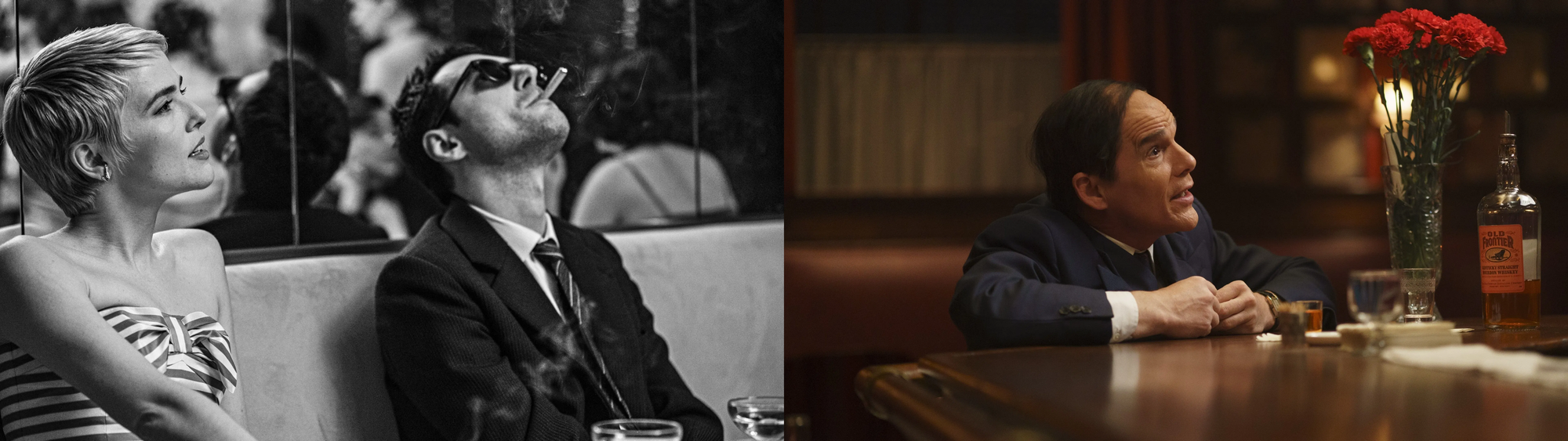
Linklater's other film is arguably more beloved among the small audience that's seen it. And Ethan Hawke absolutely should have won an Oscar for the hard work he put into portraying Lorenz Hart in Blue Moon. A portrait of the sadness one faces drifting apart from an artistic collaborator (or any friend); Hart was the lyricist for Richard Rodgers before Rodgers met Hammerstein.
The Horror Boom
Horror films made more money at the box office than ever before this year, and they also gave us the Top Two Highest Grossing films that were completely original stories, not part of any "franchise". One was "Sinners", the other was Weapons. I put three horror films in my Top 10 of the year, and Weapons almost made it too. On top of being one of the year's great roller coaster rides (like "Barbarian" before it), the depiction of a town's unthinking rage as children go missing felt really believable.
The Return of Comedy
Seeing The Naked Gun in theaters, it suddenly dawned on me how we haven't had big-budget comedy films in recent years. Overseas box office is increasingly important, and humor doesn't travel as well. (At the movies in Việt Nam, the younger English-speaking audience loved it, but the adults were baffled.)
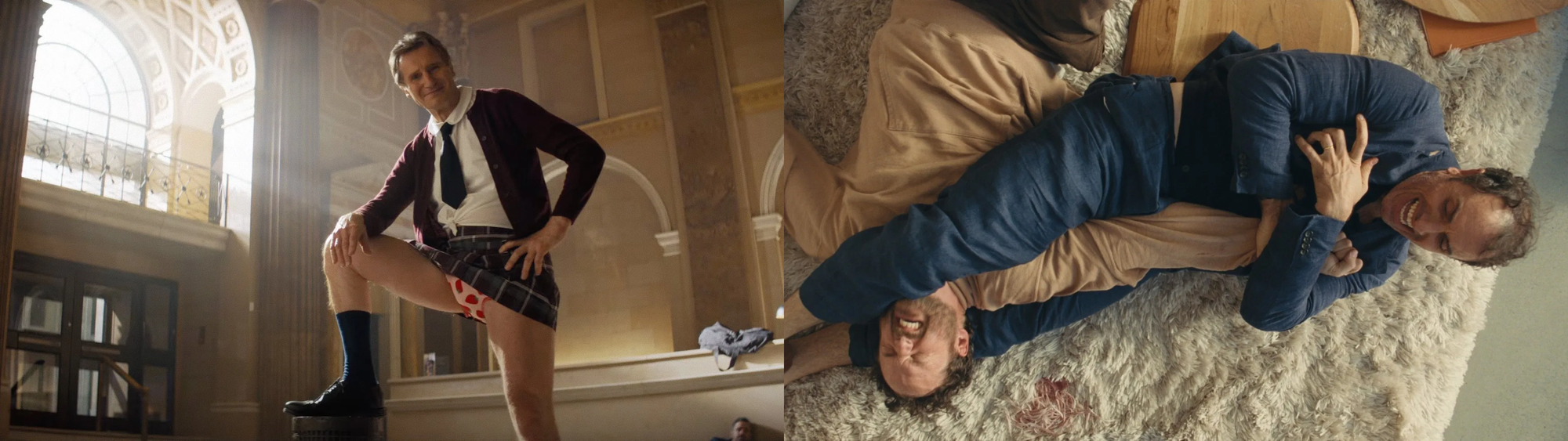
Splitsville, on the other hand, felt like a whole new direction for film comedy. It's part screwball, part adult relationship comedy, the well-written, dialogue-driven kind of comedy that used to be prevalent in the '70s. It also builds scenes like set-pieces and has a wild fight scene that is played for physical comedy.
Solid Summer Blockbusters
F1: The Movie, beyond all odds, was a blast to see on IMAX. CGI action just doesn't have the same spectacle as doing something in real-life does, and that's why "Top Gun" and the "Mission: Impossible" franchise have been the best blockbusters of recent years. F1: The Movie follows the same formula as literally every racing movie you've ever seen. But it works and that's enough for a good night at the movies.
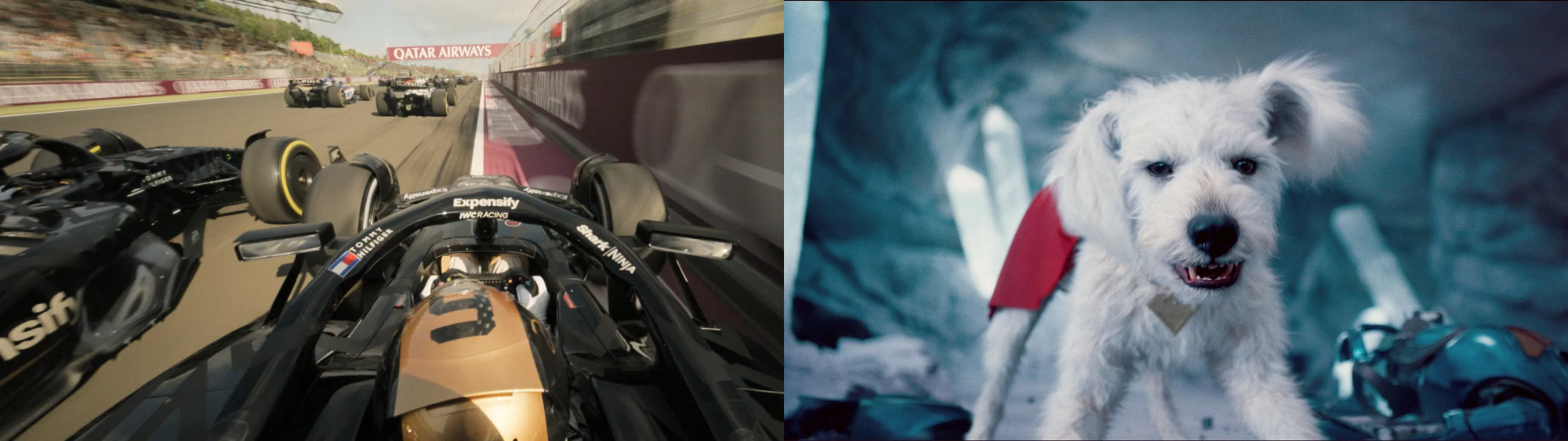
Superman! I'm so sick of superhero movies. This one had the grace to skip the backstory and just get into it. Oh, Lois and Clark are already in a relationship? THANK YOU... We don't need the same movie again. We know about Superman. Give us a new story. The fate of the galaxy does not need to be involved. Superman doesn't need to almost die or have a crisis of identity. Just be Superman. We need it right now.
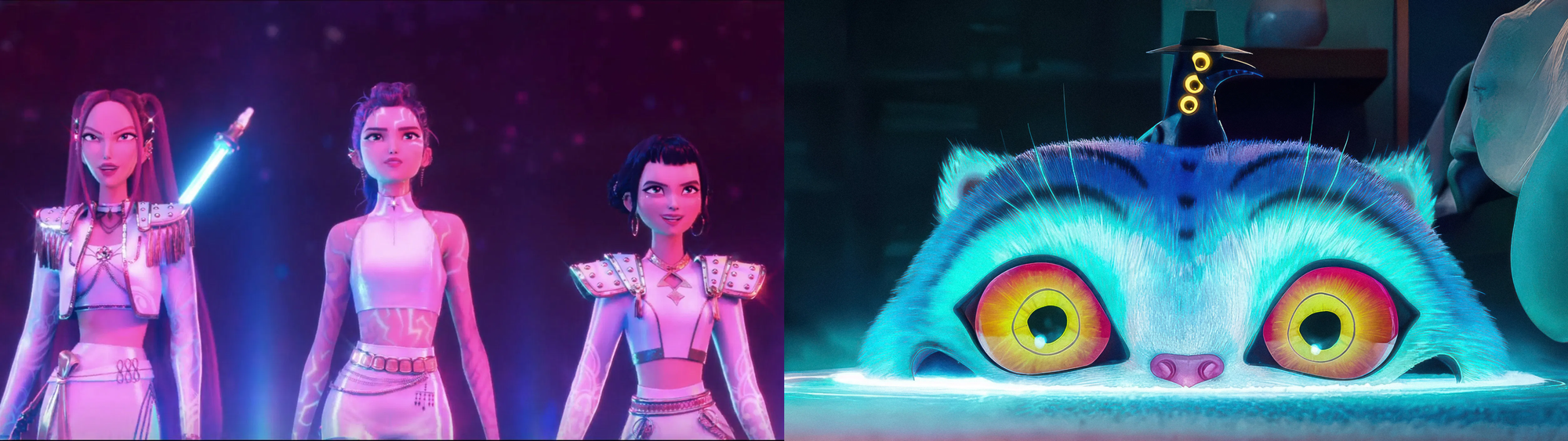
K-Pop Demon Hunters had some issues with how it told its story: it's clunky with the exposition, and it doesn't derive a lot of drama from its one point of crisis. But I loved its message, what it's meant for K-Pop fans, and its music. The music and the relatable female characters really carried the movie, and I'll absolutely be back for the sequel.
Our Favorite Filmmakers Turn In Solid Work
Marty Supreme: I think many people may be new to the Safdies' (and Ronald Bronstein!) work and be put off by some of the surreal moments, but that's always been a crucial part of their thing. This was really entertaining, and it's amazing that they are doing "period" settings now.
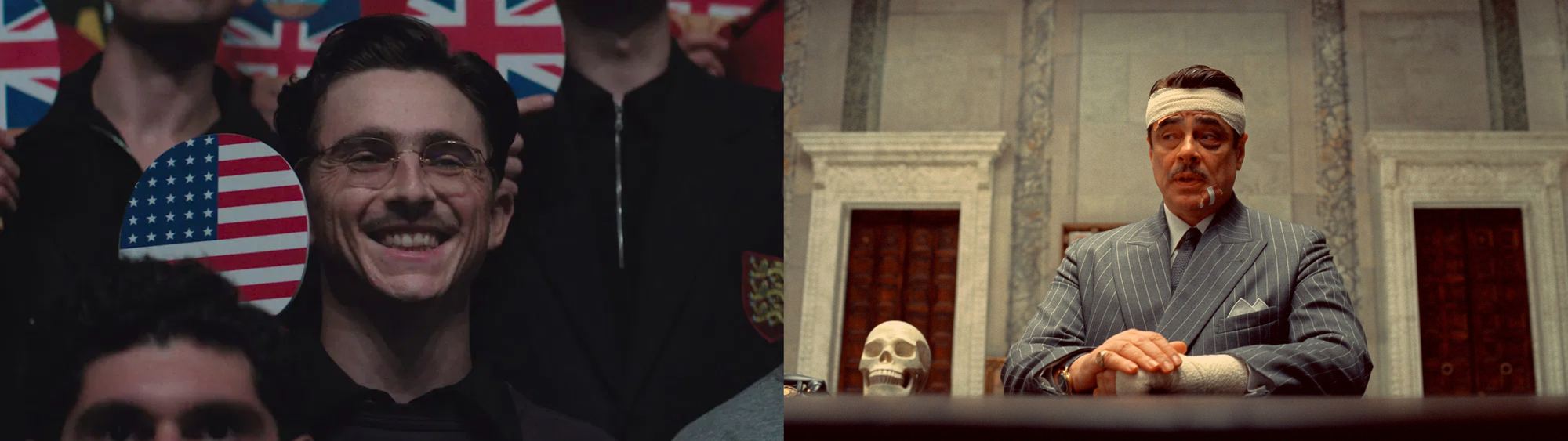
The Phoenician Scheme: At first, I felt like this was just another over-stuffed cute Wes Anderson movie... and I was SO IN. It's also a subtle evolution of the themes he has worked with in the past. For one, for all its similarities to "The Royal Tenenbaums", now he is writing more from the father's point-of-view.
Wake Up Dead Man: I love that this is less a Benoit Blanc movie, and more of something that Benoit Blanc happens to stumble into. In fact, the murder mystery is not as interesting as the exploration of religion and the politicization of religion. It does this without denigrating religion, and Josh O'Connor is so good.
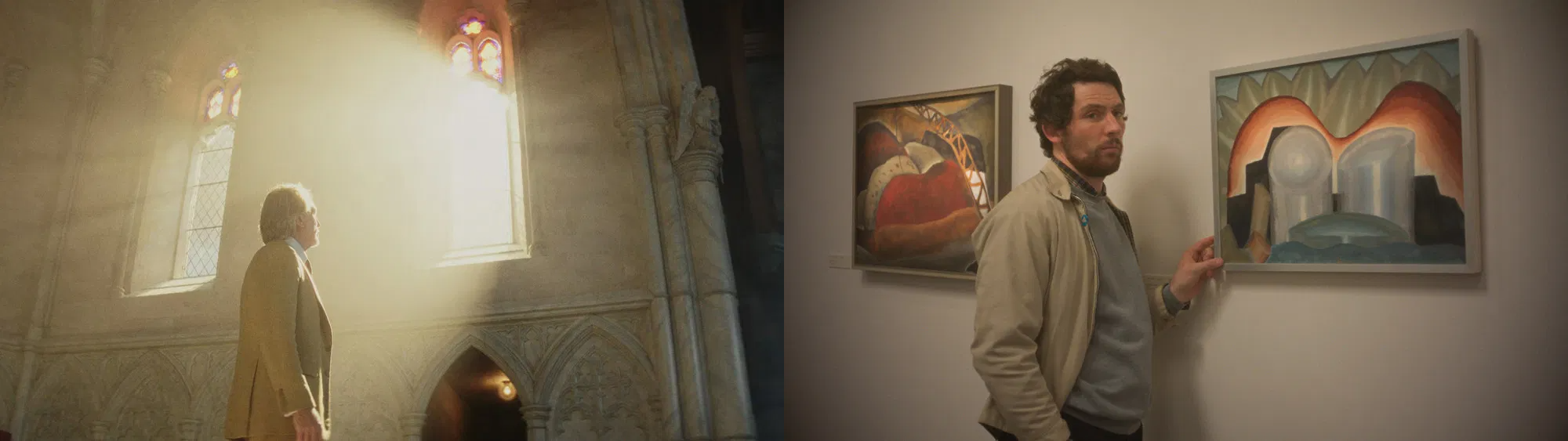
The Mastermind: Josh O'Connor is also the "mastermind" of a daring art heist. No wait, this is a Kelly Reichardt movie: the heist is a disaster and Josh O'Connor a total loser. This is a small character portrait of a very specific kind of dude. Marty Supreme if he didn't have any natural talent to stand on.
No Other Choice: Park Chan-wook gives us a dark comedy about the toll of capitalism on an unemployed man. There are some things that I think don't translate well from Korean culture that kept me from fully getting on its wavelength, but it was darkly funny and memorable.
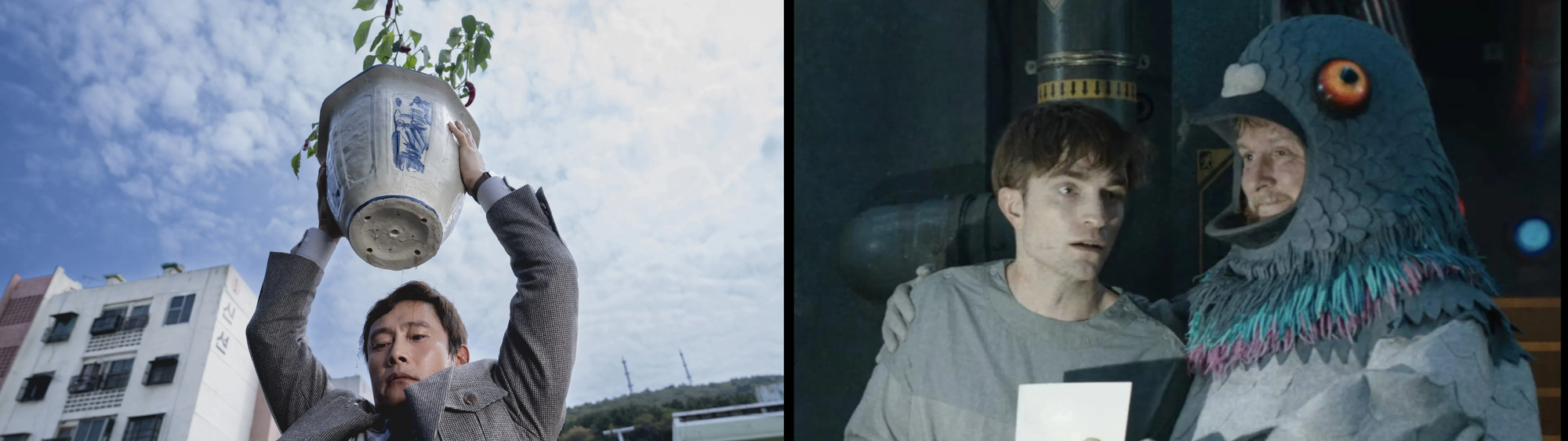
Mickey 17: Bong Joon-ho's Robert Pattinson sci-fi satire has a brilliant first act. Some of the political satire is so broad and obvious that it's hard to take seriously, but I think this will age well. It still gave us more to think about than most movies do.
Eddington: Another divisive film about the state of our society, this one takes us back into the COVID lockdown and the social media echo chamber of outrage that was the year 2020. It's hard to watch this without cringing for two hours continually. Some have said it doesn't say anything about 2020. I think the portrait of the absurdity of how we communicate nowadays with our neighbors is enough. But I also think it does point to the real villains: the mega-corporation that builds a server farm in the city to power increasingly realistic AI-created alternate realities for us to get lost in.
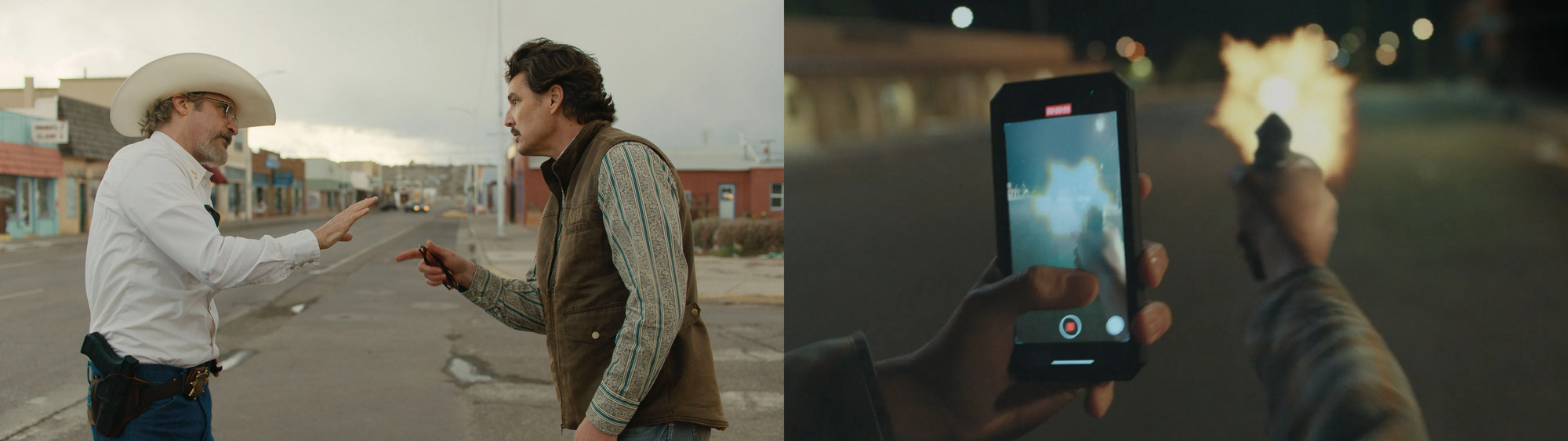
The Ones That Fell Through the Cracks
Twinless: Two men meet at a support group for people whose twins have died. They strike up an unlikely friendship, a connection that they both crave, but they both have secrets that could ruin it. This is a tremendously well-written and darkly funny drama.
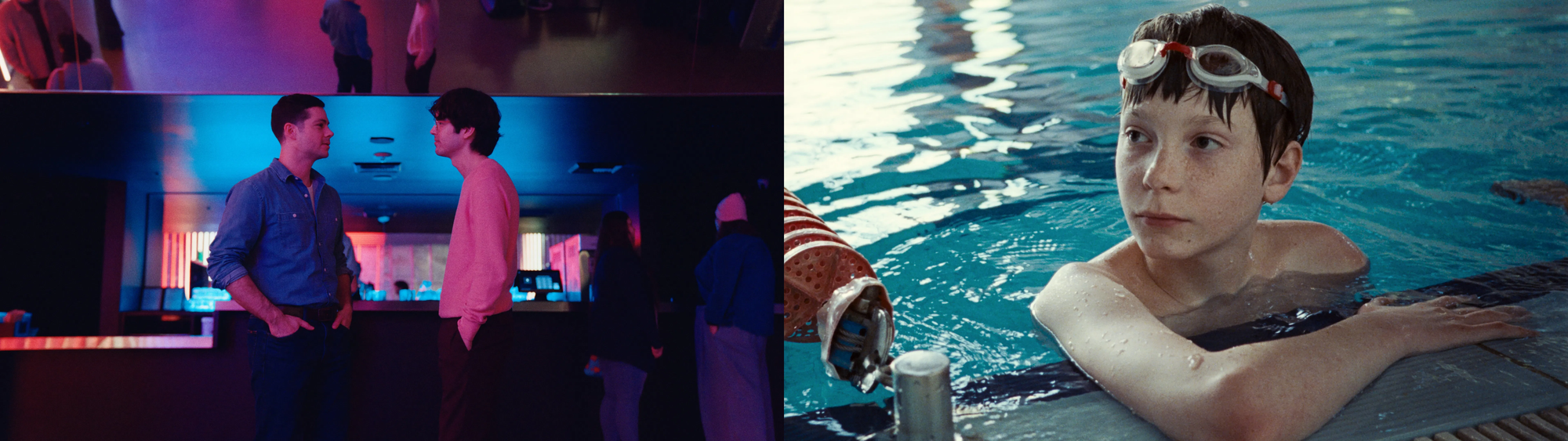
The Plague: A boy from out-of-town goes to a summer camp for water polo and deals with bullying, as a skin disease seems to infect the social outcasts of the group. Some of the best visuals and the best score of the year - unnerving and mesmerizing. A thrilling debut film.
The Baltimorons: Michael Strassner is an improv comic who "almost" got a gig on SNL; when he didn't, the bottom fell out for him and he wound up alcoholic and suicidal. This movie is based on his story, but turned into an unlikely May-December romance of two strangers trying to not be lonely on Christmas. Directed by Jay Duplass of the '00s "mumblecore" scene; this is a delight from start to finish, a balm for the jaded during the holidays.
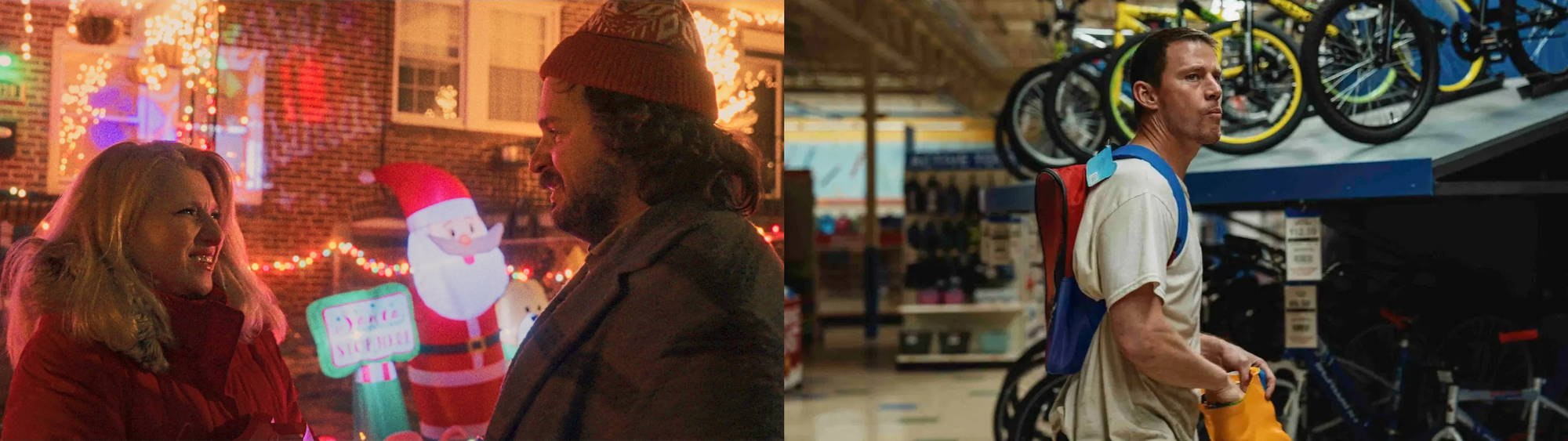
Roofman: If the trailer for this looked like a mawkish Fox Searchlight indie dramedy... well, it's exactly that! But even those are rare these days. And this one is a pretty good one. The ending is a bit of saccharine movie fluff, but the characters are given realism by Tatum and Dunst.
Bob Trevino Likes It: This is the story of a young woman trying to reconnect with an absent father and accidentally befriending the wrong man on Facebook. Loosely inspired on a real incident, this is a great debut film that deftly mixes comedy and strong emotional drama. I can never get enough of Barbie Ferreira or John Leguizamo. An Audience Award winner at SXSW.
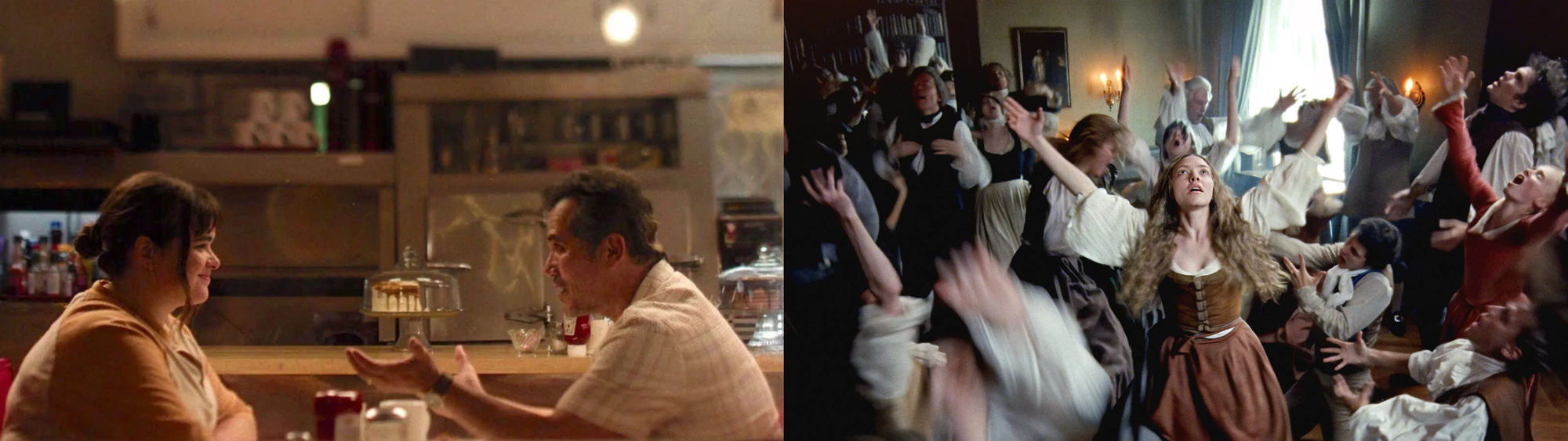
The Testament of Ann Lee: From the makers of "The Brutalist", the story of the founder of the Shakers, a small religious sect that had a huge impact on America's folk music language. This movie uses Shaker songs heavily and the "shaking" ceremonies become stunning choreographed musical sequences. In its own way, it's another microcosm of why America is the way it is. Amanda Seyfried - as always - is amazing.
Finally, I'd like to point you to David Ehrlich's annual Countdown for 2025. This is always a thrilling look back at movies I loved, movies I've never heard of, and movies I didn't love but love the images/memories they gave me. I always disagree on his order, but that's beside the point. It's a celebration of the spectacle and diversity of the year.
And the clever part is how he juxtaposes music used in other movies last year to comment hilariously on unrelated movies. (Like using Saja Boys from K-Pop Demon Hunter over scenes from Pillion is sooo funny.)