Readings: Talent is a Nation's Vital Energy, Pt. 1
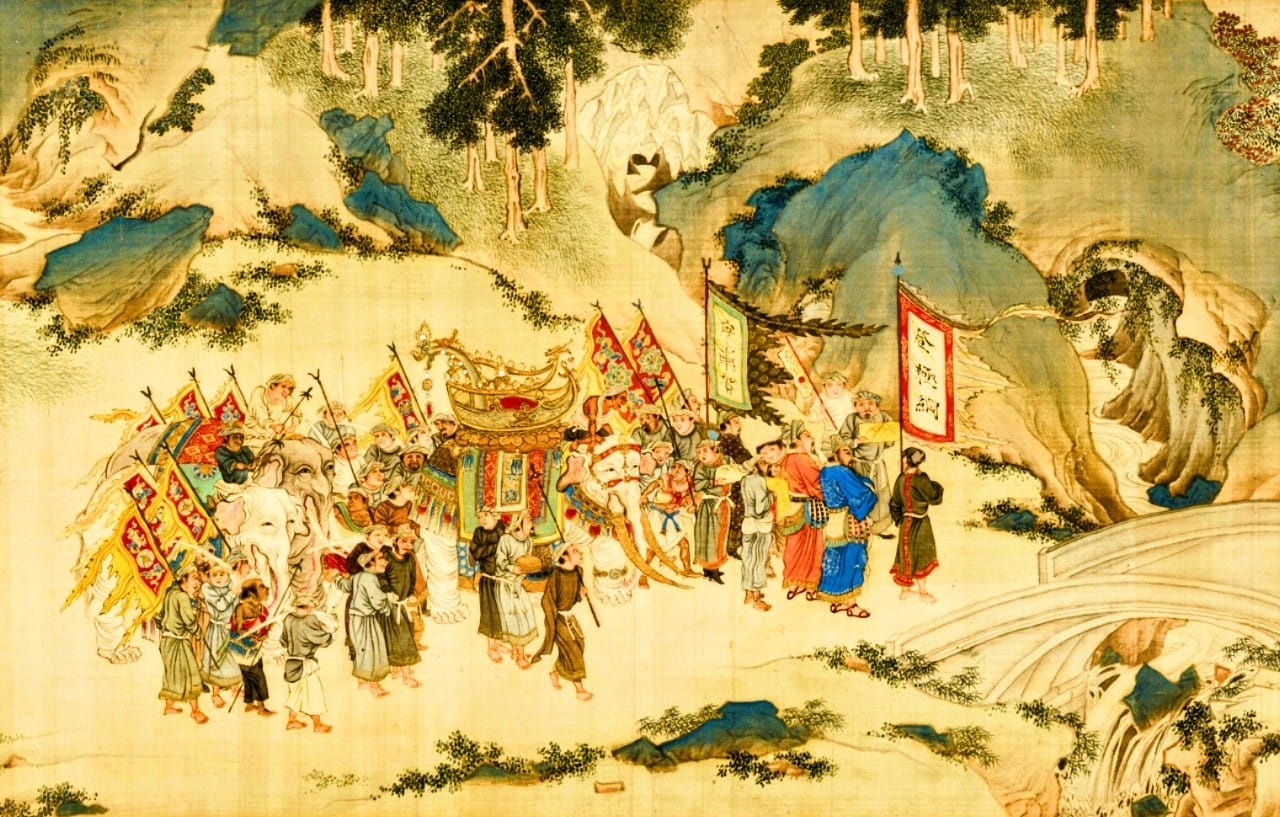
Most English texts about Vietnamese early history are dry and difficult to distinguish details; I bought this book hoping for more memorable stories. Some of the stories below are from this book, but I have also added to the narrative with stories from other sources to paint a more detailed picture of the history of Việt Nam.
Please keep in mind that translating things properly is time-consuming and my time is limited, so there are bound to be many inaccuracies.
Part One: Peace for the Southern Heaven
From the years 40 CE - 1028 CE
Hai Bà Trưng (14-43 CE)
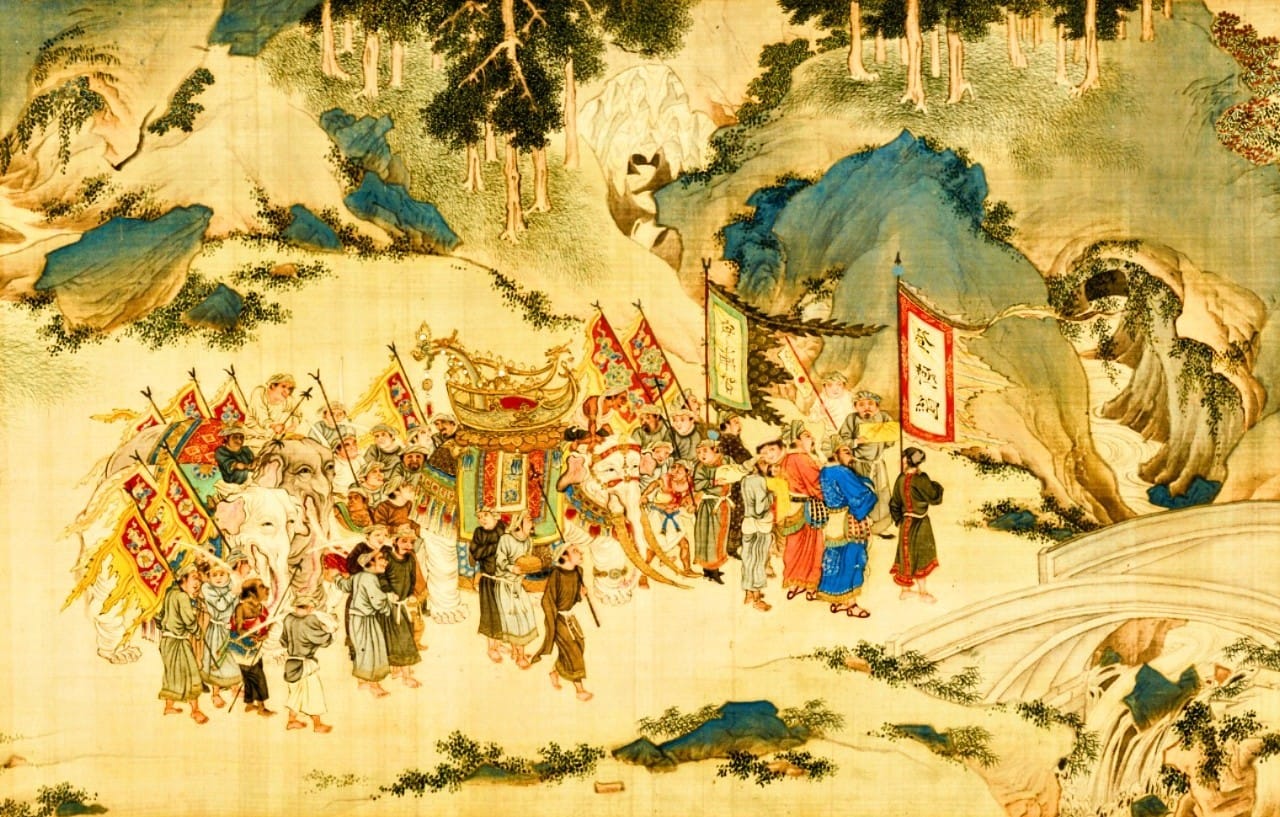
The two Trưng sisters led the first recorded successful revolt against the Han Chinese after about 250 years of subjugation. They are depicted going to war on elephant back. The elder sister became queen of Jiaozhi (present-day Northern Việt Nam) with her sister by her side as "vice-queen". This lasted for only 3 years, when the Chinese invaded again, caught them, and beheaded them. Their real given names are probably lost to history, but their moniker "Two Ladies Trưng" is a common street name throughout Việt Nam.
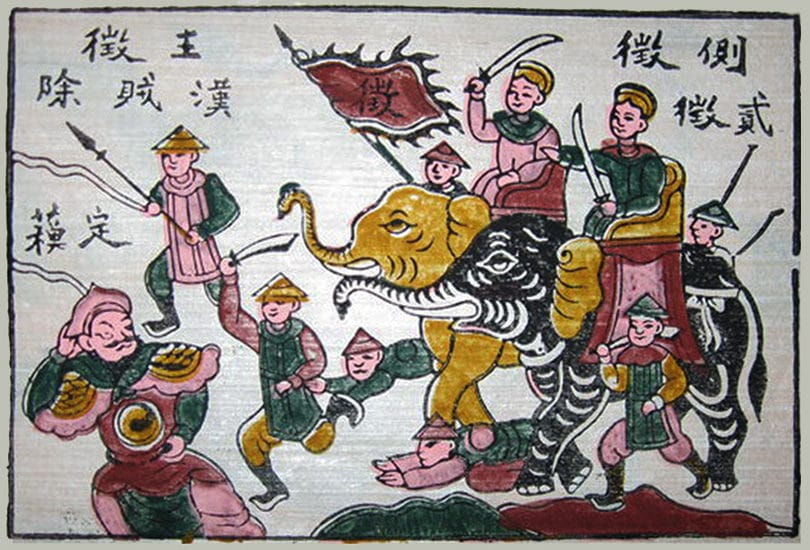
They have been worshipped as guardian spirits of Việt Nam, and in modern times have been seen as a symbol of women's contributions to defense of the country.
Lady Triệu (???-248 CE)
When the Han Dynasty of China collapsed into "Three Kingdoms", life became especially harsh in Jiaozhi under martial rule. Triệu was an unmarried peasant woman in her 20s in Thanh Hóa when she decided to join the rebellion. Her brother tried to dissuade her but she said: "I want to ride the wind and waves and slay whales in the sea. I can't bend my back and be a slave to any man." Her fellow rebels soon followed her into battle, wanting her at the front due to her bravery and fierce gaze.
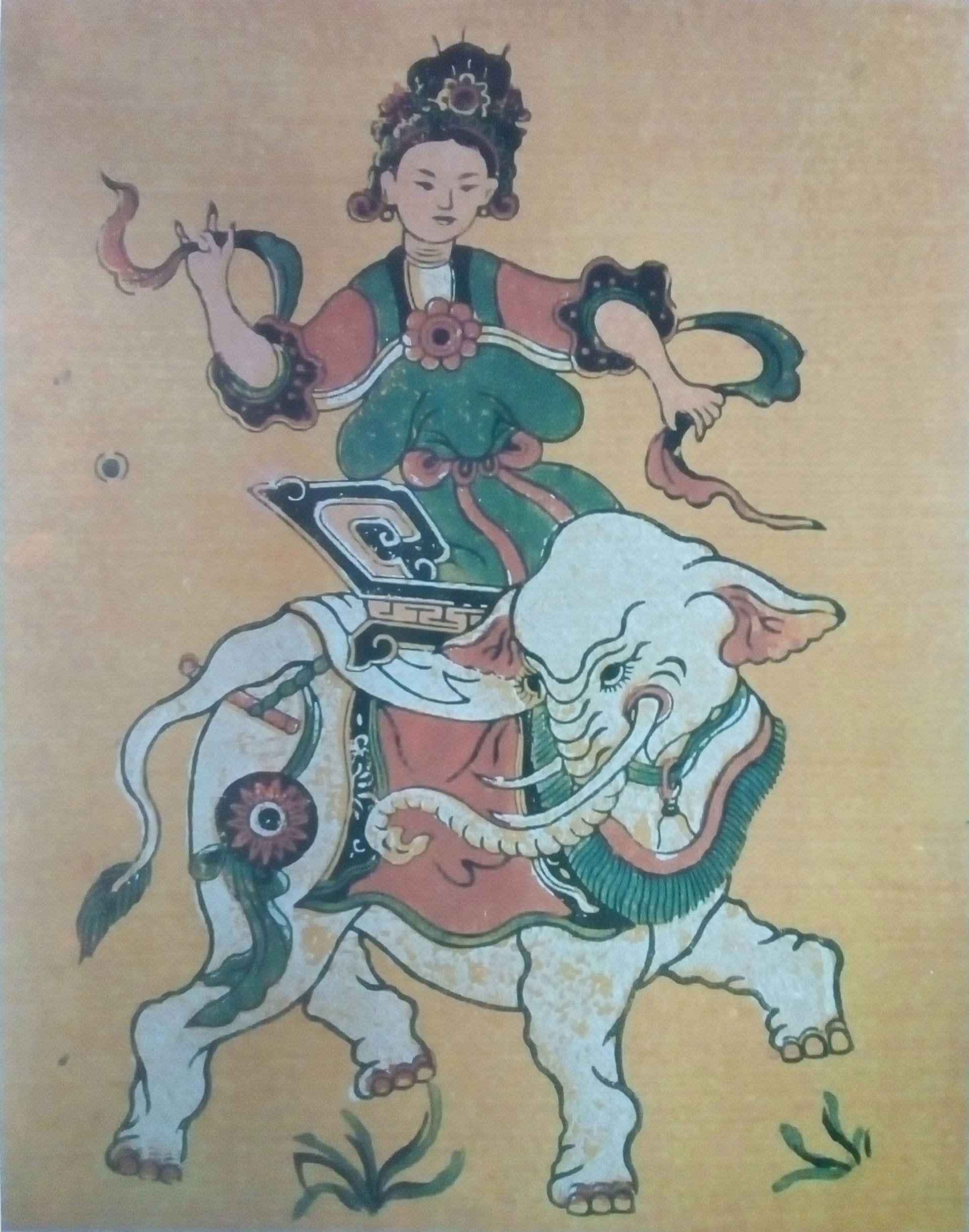
It is said her breasts were a meter long and had to be tied back for battle. She rode on a war elephant in yellow tunics: a "General in a Golden Dress". Her campaign was unsuccessful and lasted only a few months, but her name still adorns a street in Hà Nội, as well as the country's first gin distillery.
Ngô Quyền (898-944)
In 938, Southern Han reinforcements moved in by sea to quell yet another rebellion. Their fast warships were loaded with warriors for boarding and would be sure to devastate the inferior local ships. But as the ships pursued the Vietnamese into the mouth of Bạch Đằng River the tides changed revealing massive stakes with iron points buried in the riverbed. The impaled ships floundered and the territory now called An Nam (Peaceful South) was finally liberated after 1,000+ years of Chinese rule.
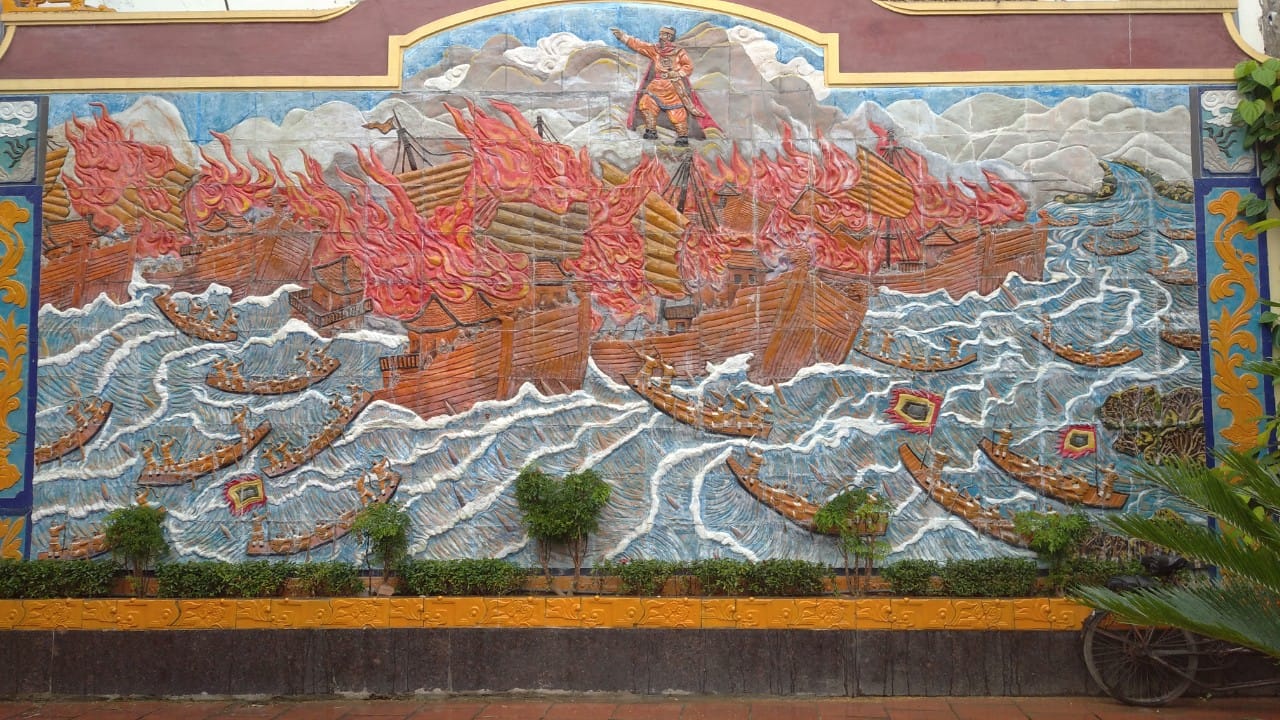
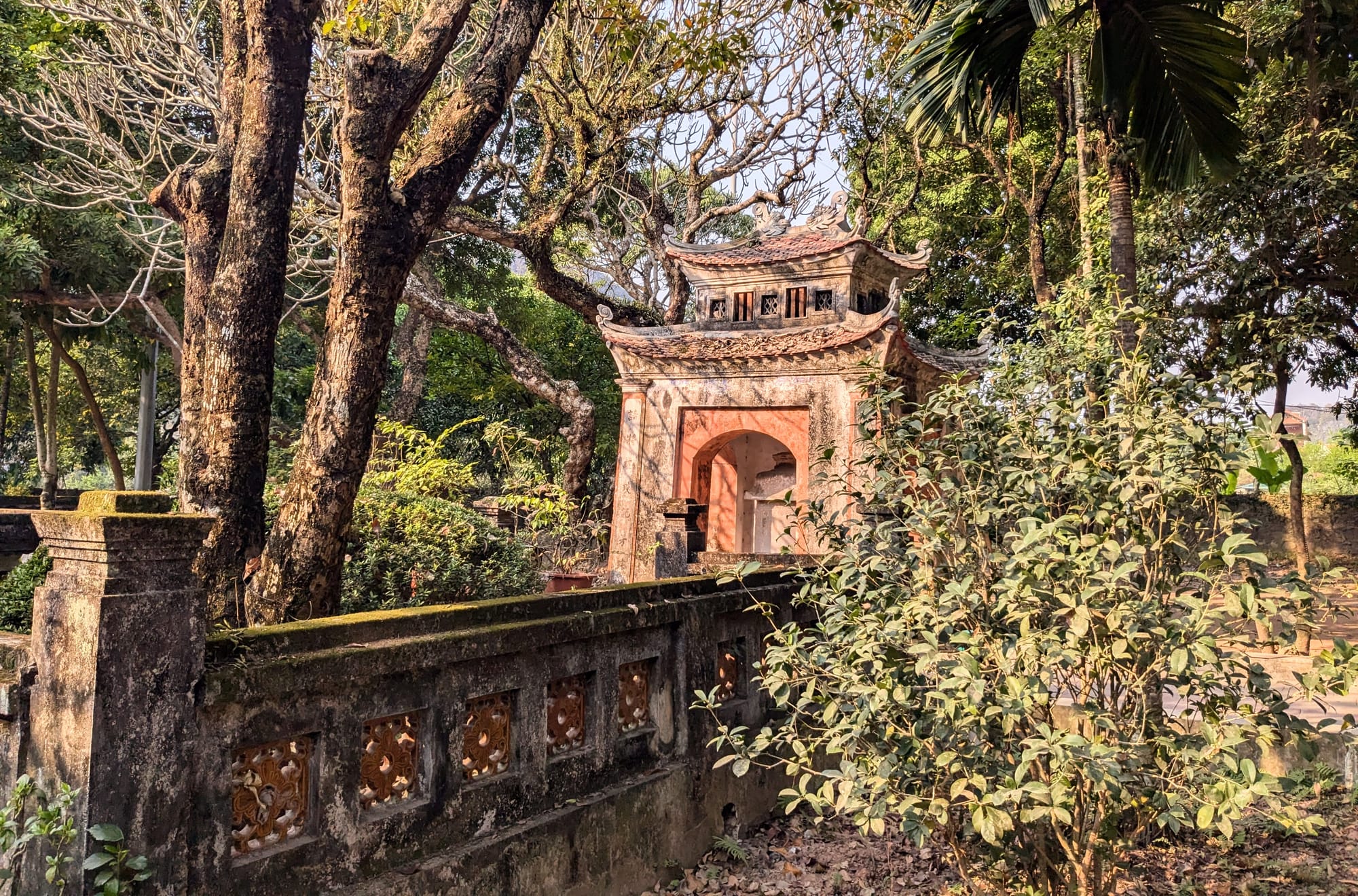
The commander of this battle, Ngô Quyền, became its first king and made Cô Loa its capital: a citadel north of the Red River with multiple walls and moats in a spiral pattern, which had been the capital in the 3rd Century BCE before China invaded and took over the territory.
Đinh Bộ Lĩnh (924-979)
After the death of Ngô Quyền, An Nam erupted into a civil war called The Anarchy of the 12 Warlords. Đinh Bộ Lĩnh was a talented general under one of these warlords: Trần Lâm. Đinh's oldest son Đinh Liễn was being held hostage by two of Ngô's sons, who hung him from a pole and threatened to kill him if Đinh didn't surrender. Đinh responded by sending a unit of crossbowmen forward to shoot his own son. The Ngô were horrified and took their hostage down to safety, and Đinh also backed down content to have defended Trần Lâm's territory. His son would remain a hostage for 15 years.
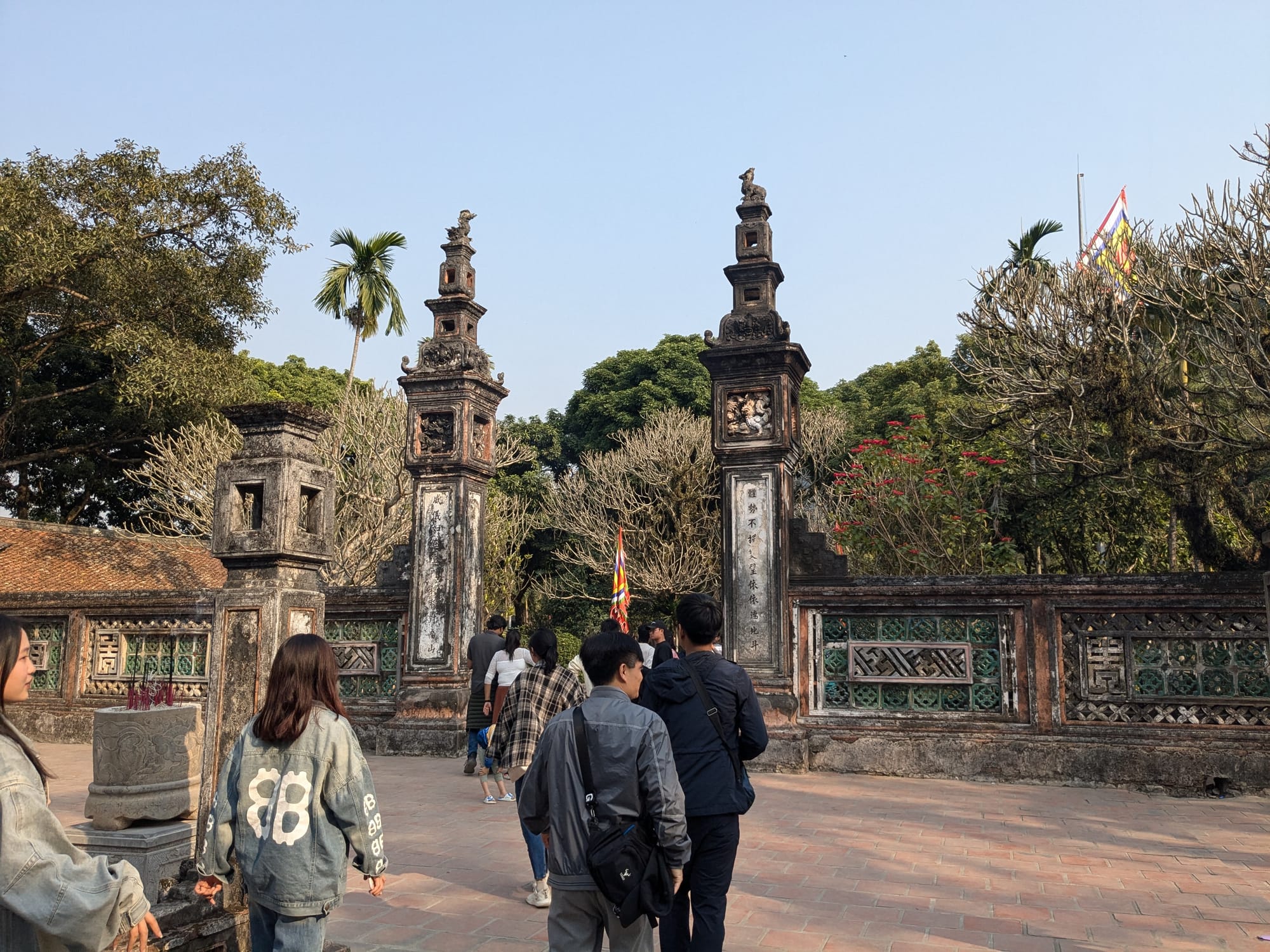
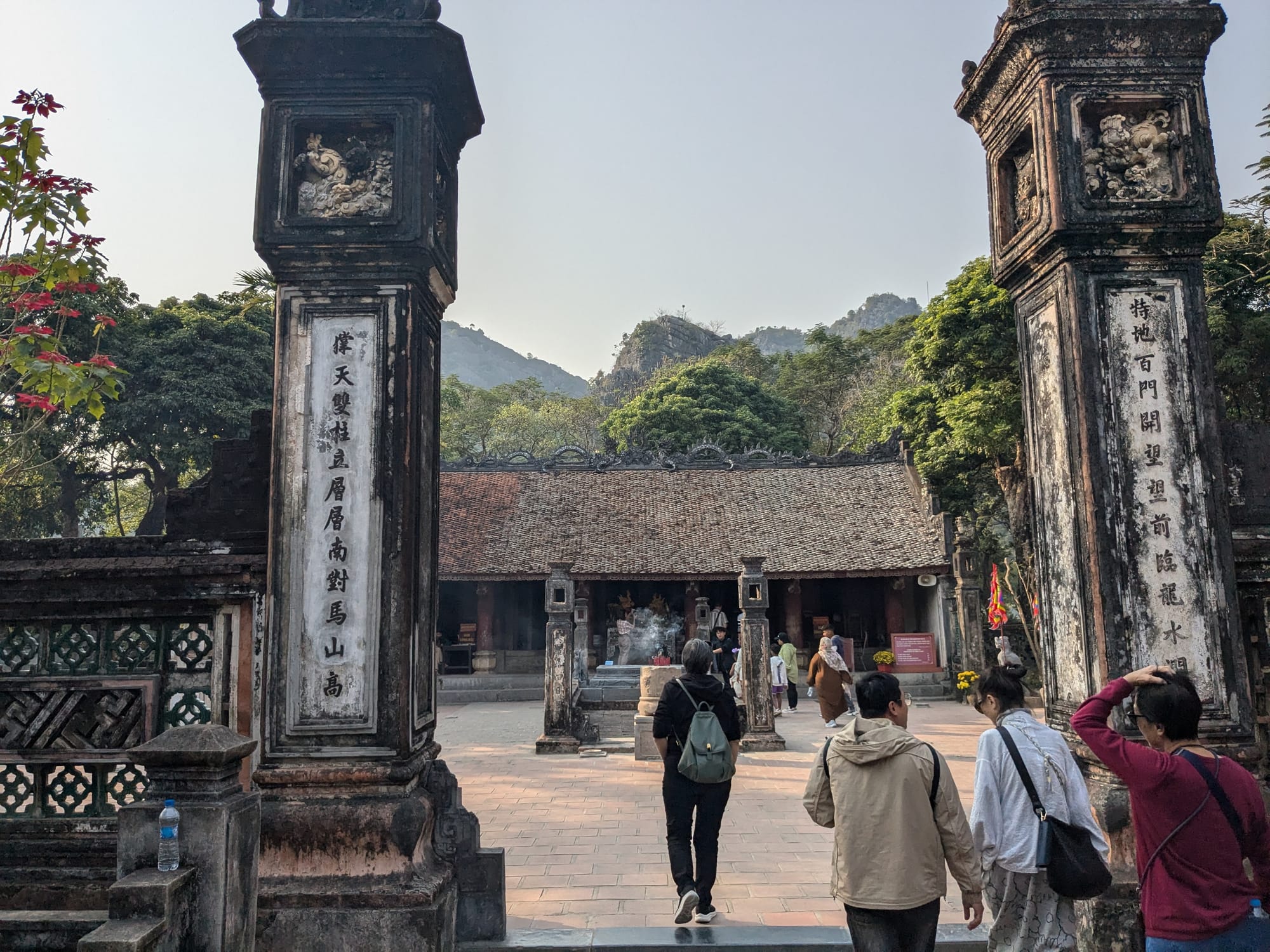
When Trần Lâm died, Đinh took his forces to war, first laying siege to Cô Loa itself. Cô Loa took a year to fall, and then he defeated the other 10 warlords with his son Đinh Liễn, now 20-years-old, fighting by his side. In 968, he proclaimed himself not king, but emperor of what he called Đại Cồ Việt (the Great Big Việt nation). He moved the capital to his home of Hoa Lư (in Ninh Bình) which would be naturally easier to defend. He also established a draconian justice system; treason was punishable by being fried alive in boiling oil. He took several consorts and concubines, five of which he gave the title "Empress".
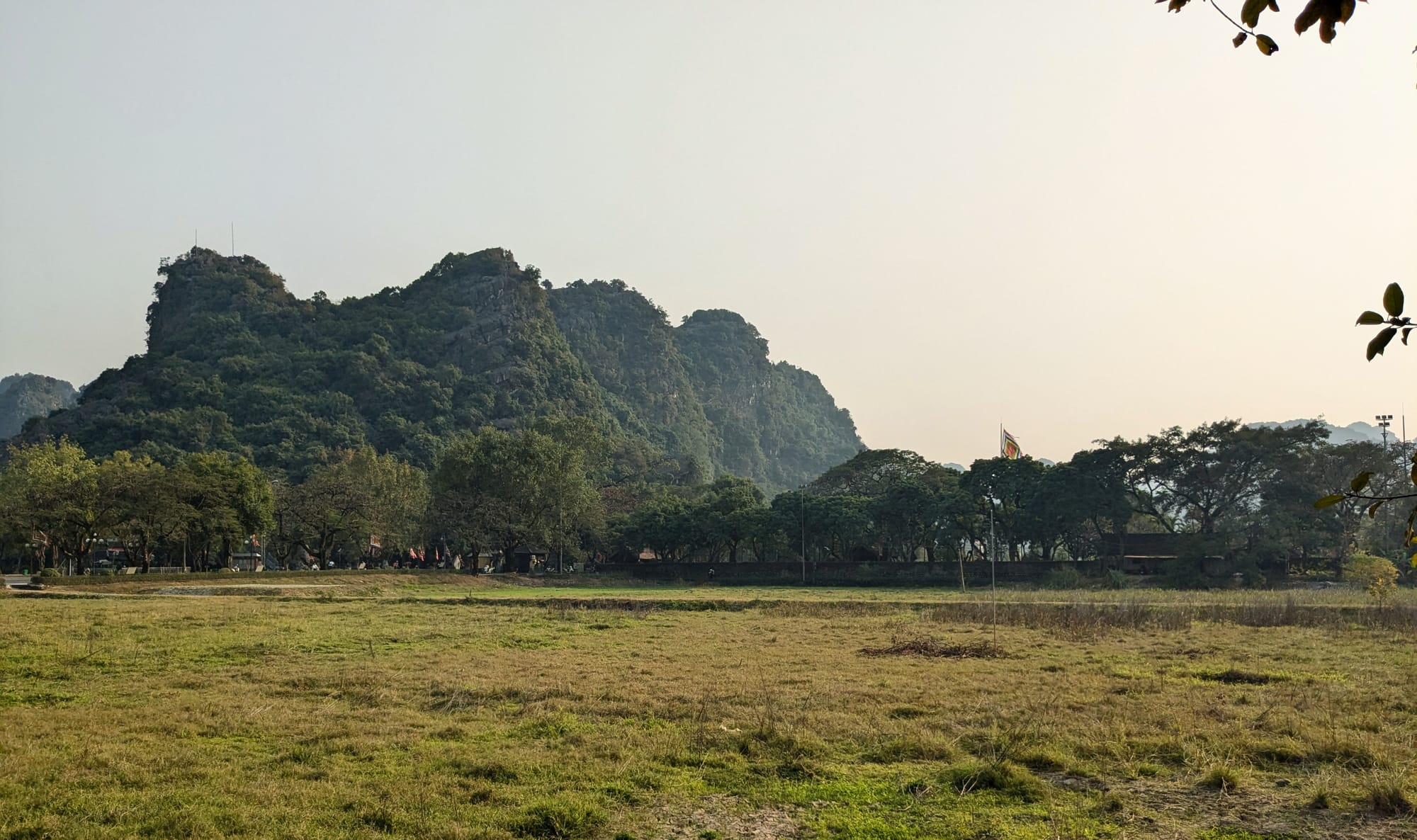
Three years later, the powerful Song dynasty took over China. Đinh sent tribute to the Song emperor, securing Đại Cồ Việt's independence at the cost of an exorbitant tax to be paid every 3 years.
In 979, Đinh named his 4-year-old son Đinh Hạng Lang to be his successor, because he was enamored with the child's calm demeanor. This infuriated his oldest son Đinh Liễn who had already found it difficult to forgive the father who once endangered his life. Đinh Liễn ordered his retainers to kill the boy, which caused a huge scandal for the court. Đinh Liễn also commissioned 100 pillars to be erected with Buddhist sutras inscribed on them, a prayer to make up for his sin. The pillars blame his infant half-brother for "evil acts" which caused the rift in family loyalty.
Later that year, some court official - eaten up inside by the immorality of the court - had a dream of the end of Đại Cồ Việt. This nameless person went and found the emperor and his murderous son having a wine nap together in the palace courtyard and killed both of them. A court eunuch named Đỗ Thích was caught hiding a few days later and hacked to death. Another interpretation says that they were killed by one of Đinh's concubines. But historians question the motive and ability of these suspects. The murderer was just as likely to be... nearly anyone in the tumultuous court of Đinh.
Dương Vân Nga (952-1000)
Dương Vân Nga is presumed to be the daughter of a subordinate of one of the 12 Warlords deposed by Đinh Bộ Lĩnh. She became one of his Empresses and was the first to give birth to a son, his rightful heir. With the death of her husband, this son - the 5-year-old Đinh Phế Đế - was crowned emperor and Dương ruled as Queen Dowager Mother with 10 generals advising her as Regents.
Several generals soon noticed that Dương was spending a lot of time with one general in particular, Lê Hoàn, and he was being favored with more power than the other Regents. These generals raised an army against Lê Hoàn, but he defeated them in battle and killed the traitorous generals.
In 980, the Song Dynasty sought to take advantage of the chaos caused by a child emperor and sent a force to invade Đại Việt. The remaining advisors all agreed that a powerful hand needed to be on the throne to save the country. Dương Vân Nga married Lê Hoàn and crowned him emperor. Đinh Phế Đế's "reign" lasted only eight months. He was allowed to live out his life at court with an obligatory title, a deposed king.
This was the start of the first Lê Dynasty, which would be short-lived.
Đỗ Pháp Thuận (915-990)
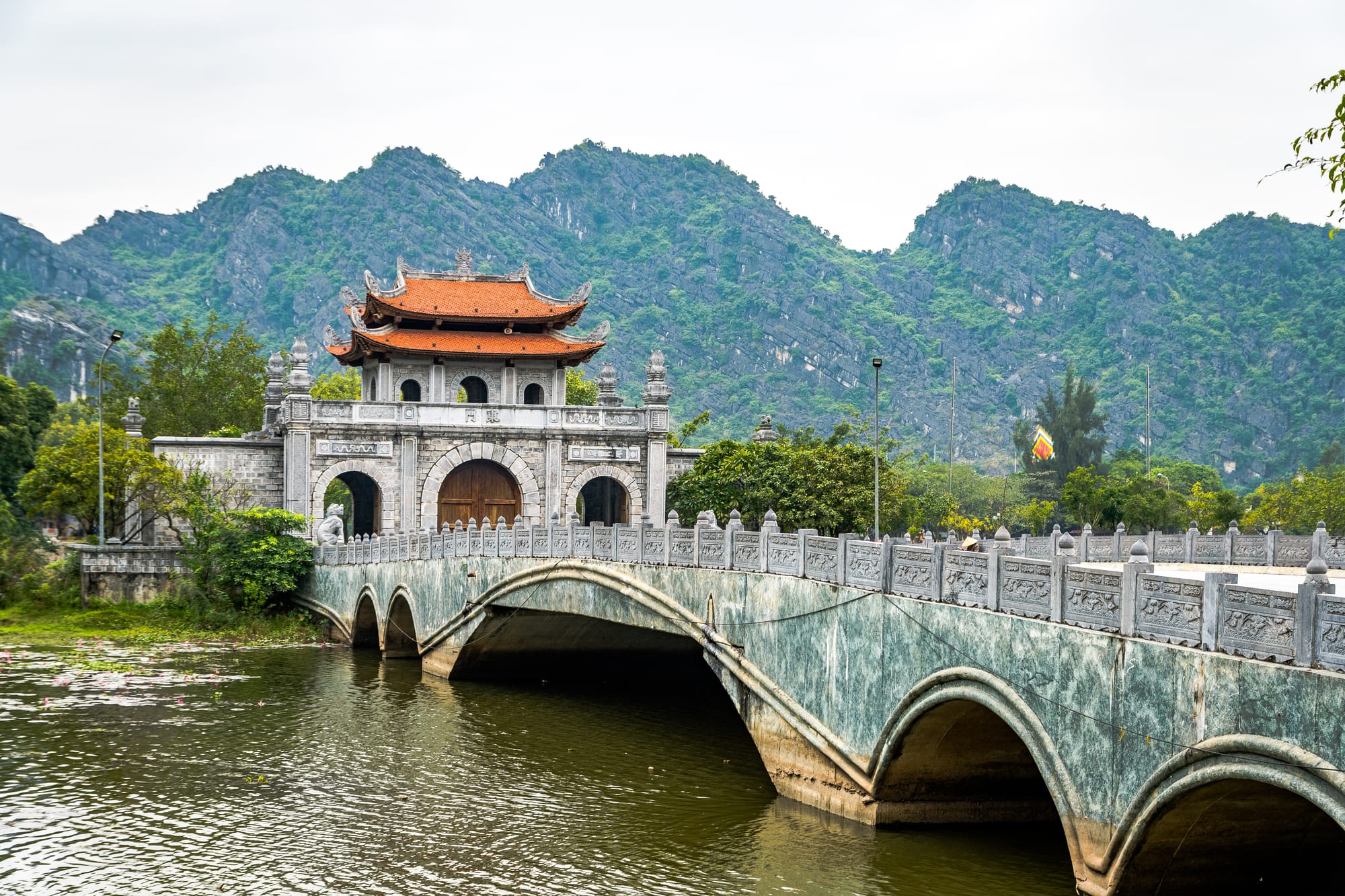
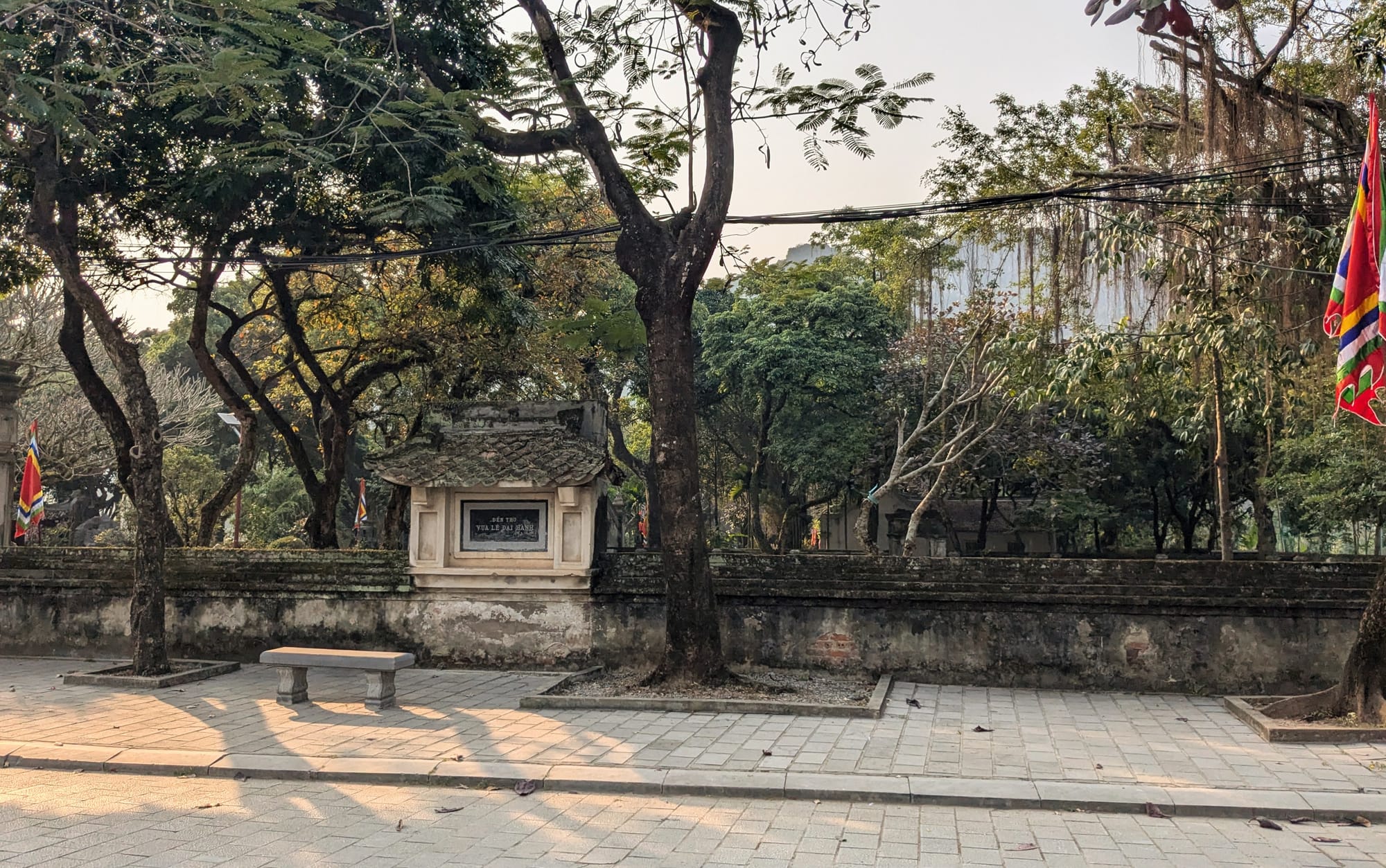
The first Lê king, Lê Hoàn (posthumously named Lê Đại Hành) reigned for 25 years (980-1005) during the thorny early years of the new country. Just a year after receiving the royal robes from the Queen Mother, he had to deal with a fierce invasion from the Song Dynasty. After his military victory, there was a period of peaceful relations with China.
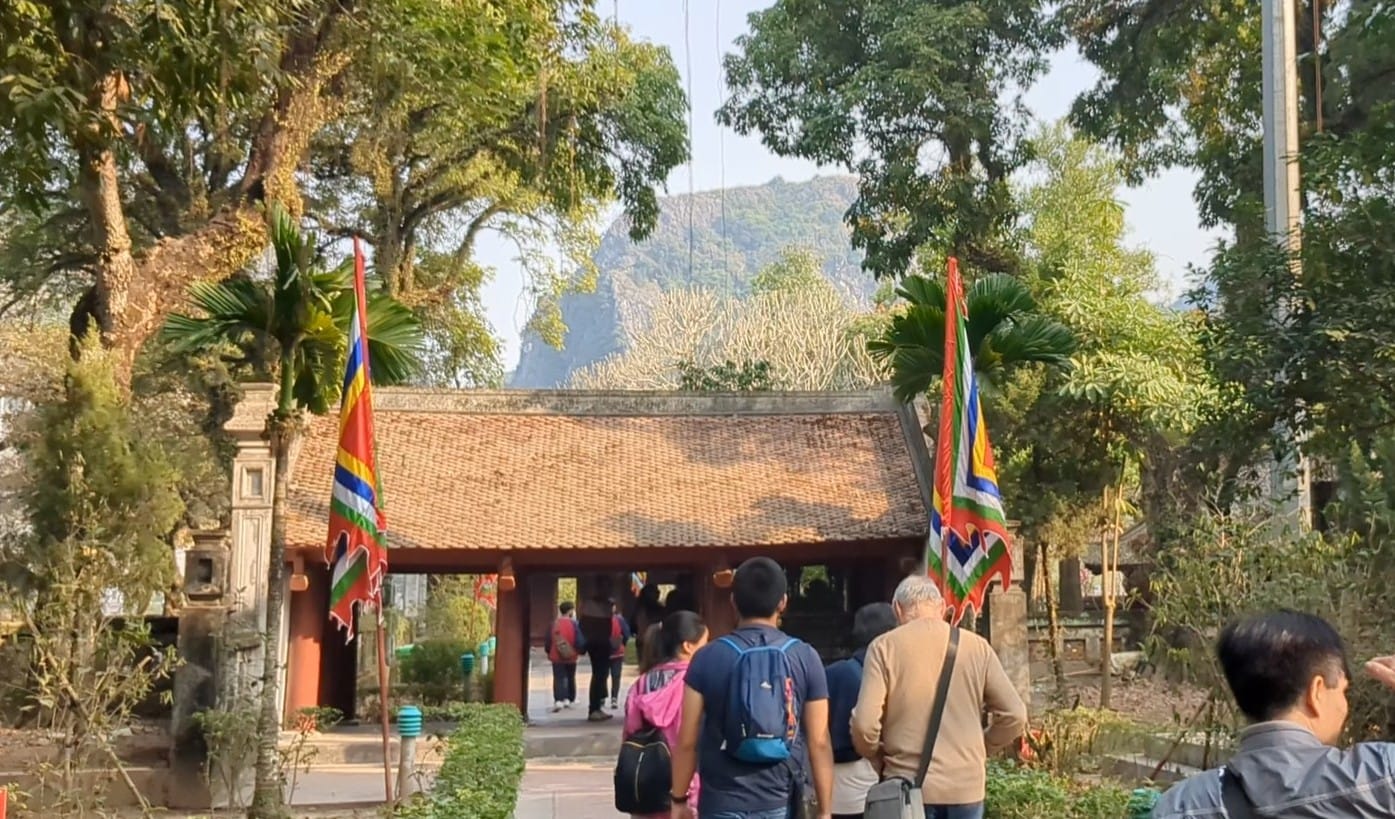
For two years (986-987), the Song Dynasty sent the envoy Lý Giác (I could not determine his Chinese name) twice to the capital Hoa Lư. He was a talented poet and his repartee was hard to match. The second time he came, the king sent his court advisor and monk Đỗ Pháp Thuận to pretend to be the boatman to welcome him. When they reached a certain part of the river, Lý Giác saw two wild geese swimming on the river.
He recited a poem and was surprised when the ferryman continued his poem. Lý Giác admired that in Viet Nam even the ferryman was well-educated. When Lý Giác left he presented the King with a poem in parallel verses. The King had a Zen master read and interpret the poem; the poem's meaning was said to be that he respected King Lê Hoàn no different from China's emperor. This was no small thing as China's emperor was supposed to be nearest to heaven; there was another "heaven" in the South that shined no less brightly than in China.
Đỗ Pháp Thuận was a Zen master and advisor to the king, but only a little is recorded about him. He contributed to the planning to build a prosperous country, but he wouldn't accept any titles so the king respected him even more. Many of his words were considered "prophecies" at the time and corresponded to important events of the future, but most of these words have been lost.
But one poem survives. It was written when the king asked Đỗ Pháp Thuận what the fate of this new country would be. He wrote:
The nation's fortunes last forever
Peace for the Southern (Nam) Heaven
The palace governs without war
No more weapons anywhere
In the later 20th century, it was determined that this is the earliest piece of Vietnamese writing with an author's name attached to it, so it holds a high place in Vietnamese literature. But the meaning is also notable. It is not prophecy so much as an instruction: that if the governance of the country seeks peace, the nation will survive. In the post-war era, this poem has resonated again with Vietnamese.
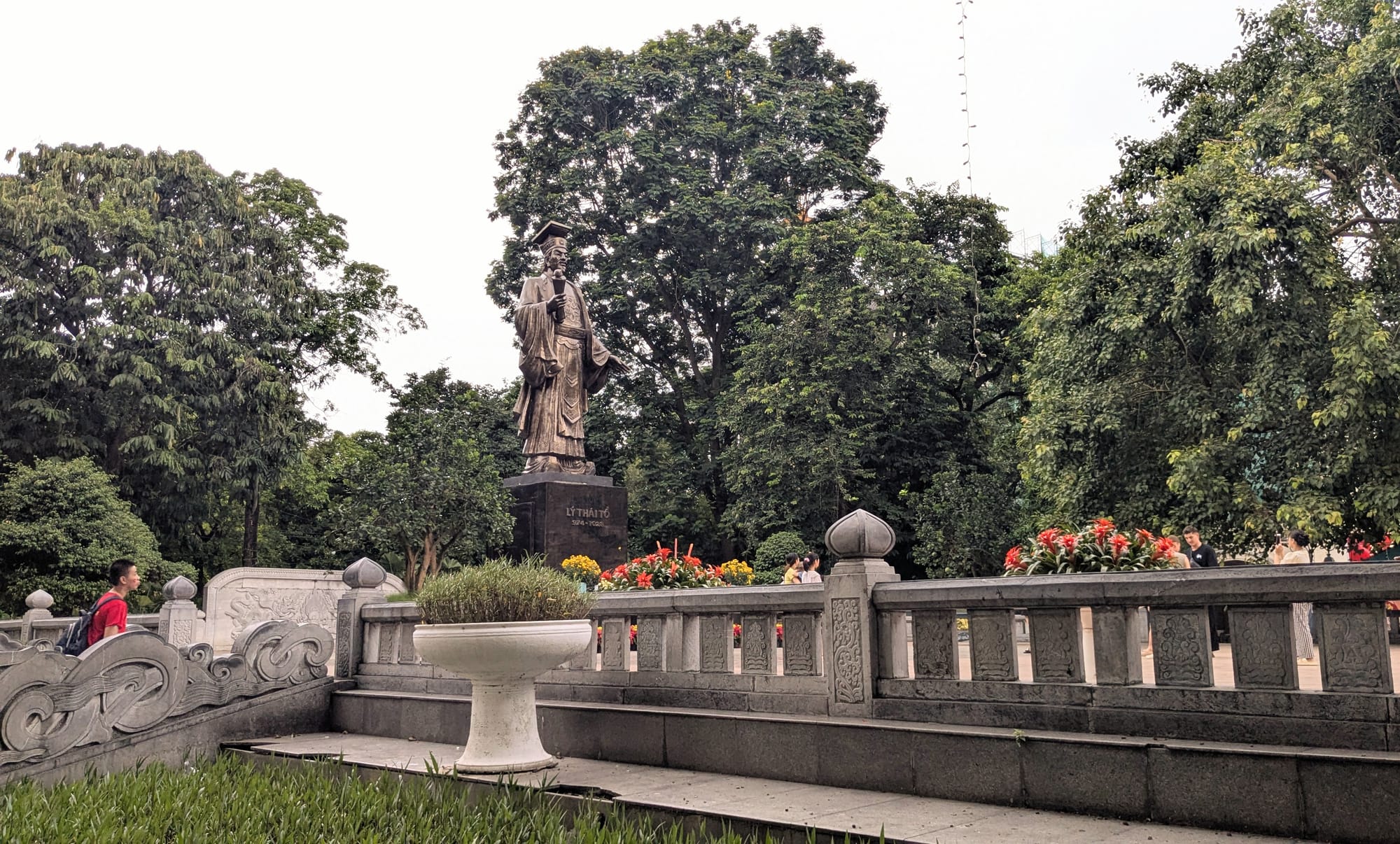
Lý Thái Tổ (974-1028)
The heritage of Lý Thái Tổ is unknown because his mother could not take care of him and gave him up to a Buddhist temple at the age of 3. He was raised by monks and eventually taught by Vạn Hạnh, the highest-ranking Buddhist monk in Đại Cồ Việt. Because of his academic achievements, he was appointed to the Lê court as a historian.
In 1005, when Lê Hoàn passed away there was anarchy in the country as his sons fought over the throne for 8 months. Lê Trung Tông finally won and took the throne, but three days later he was assassinated; the assassin merely climbed over the palace wall and did the deed while everyone was asleep. When this was discovered, all the courtiers ran away - afraid of being seen near the body - but Lý held Lê's body and cried for him.
It is generally accepted that the assassins were hired by Lê's brother Lê Long Đĩnh who ascended the throne next. In his 20s, he was said to be a tyrannical ruler and spent most of his four years in power quelling rebellions in various provinces. It's also said that his hemorrhoids became so bad that he had to meet with his court lying down, although many stories about him were likely embellished to justify the end of the Lê dynasty.
After Lê Long Đĩnh's mysterious death in 1009, Lý Thái Tổ was the most powerful general at the court and the court unanimously agreed that he should take the throne and take the country in a new direction. He was helped by Vạn Hạnh, the most important Buddhist official at court. For the last few years Hạnh had spread the story that Lý's father had actually been a genie, and when he was left by his mother in front of the pagoda, a spirit came to the head monk telling him to go to the front gate and welcome His Majesty the Emperor.
Lý Thái Tổ reigned for 18 years and successfully reformed Đại Cồ Việt with Vạn Hạnh at his side as advisor. He moved the capital to the banks of the Red River, calling it Thăng Long (Ascending Dragon); this is the beginning of many centuries of the capital now known as Hà Nội. While it was not as defendable as the remote Hoa Lư, it was a bustling trading hub amidst the most populated regions, so it was better for connecting the emperor's court to the will of the people.
Buddhism was made the official religion of the country, and the Lý Dynasty lasted another 200 years.