A Brief from Việt Nam: A Day in the Life
Sorry! It's been a while.
I wrote myself into a few corners and had so much that I wanted to do that I was spread thin. My focus has been on teaching English and finding opportunities to connect with people in my community.
The end of the school year in May was a whirlwind, and June was just as busy. The Peace Corps teamed up with the U.S. Embassy in Hà Nội to put on two week-long summer camps for students and I participated in both of them. I always pour quite a bit of energy into these special presentations, to make sure they are both informative and engaging. (I may share some of this in the near-future. But let me not lose my train of thought here...)
In July, I used my annual leave to travel a little bit. I visited home, my family, some of my friends in Austin, and then I also got to spend a few days in Tokyo on the way back!
While in Austin, I made a short presentation to my old community service club: the Austin University Area Rotary Club. It was great to reconnect with everyone! I actually prepared 8 short slide shows about different topics. I knew I wouldn't get to everything that I could talk about, so I let my colleagues "Choose Their Own Adventure". (I also brought a Kahoot Quiz: a very English teacher thing to do. It was a fun way to touch on some random trivia about Việt Nam, while giving my audience a taste of what it's like to be in a Peace Corps Volunteer's English class.)
We only went through 3 of the 8 slide shows before I was already about an hour over my time limit. So, to kickstart the newsletter, I'm going to reuse these short informal presentations. I thought it would save me time writing new material. (I don't think it actually did!) But I'm trying to focus on getting you more 'content', dear reader, but I need to give it to you in a more 'raw state, saving the editing for the future book deal!
On a typical day, I roll out of bed at 6:30am and hit the button on my electric kettle as quickly as possible. Before I have hot water for instant coffee, nothing else is getting done. I am not a morning person, but most people are already starting to get chores done in the village where I live.
I have adapted to the way of life in rural Việt Nam here in surprising ways. I assumed I would never fully adjust to getting up so early; after all, I'm not a farmer so I don't have a lot of outdoor chores. But it's so hot for most of the year, that by 9:30am if you haven't gone out to the store, you won't want to start now.
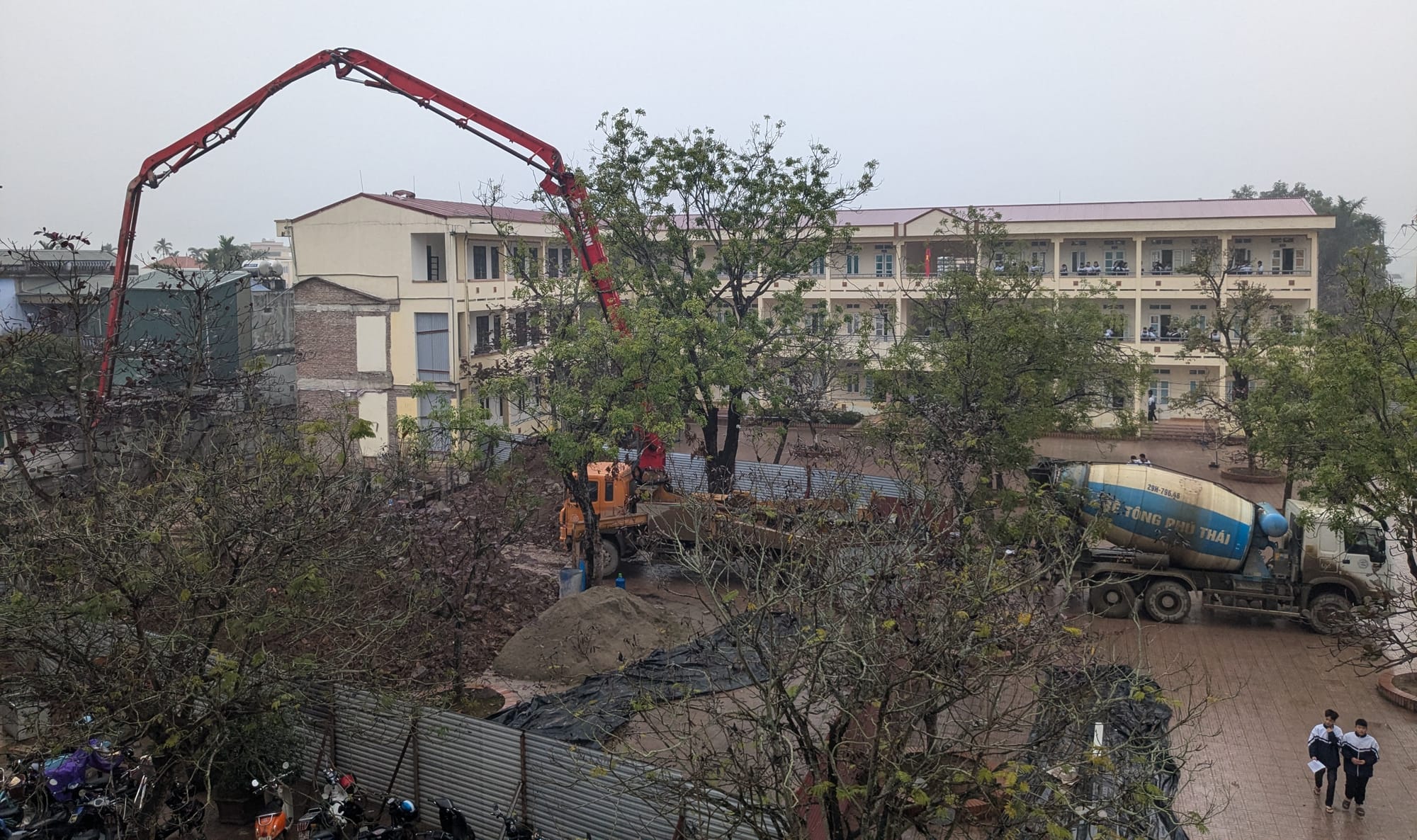
I live in the school, in an office close to the center of the main courtyard. I don't hear the loudspeakers anymore in the mornings - I think they only do public announcements in the afternoons now - but from the homes behind the school I often hear roosters crowing and dogs barking.
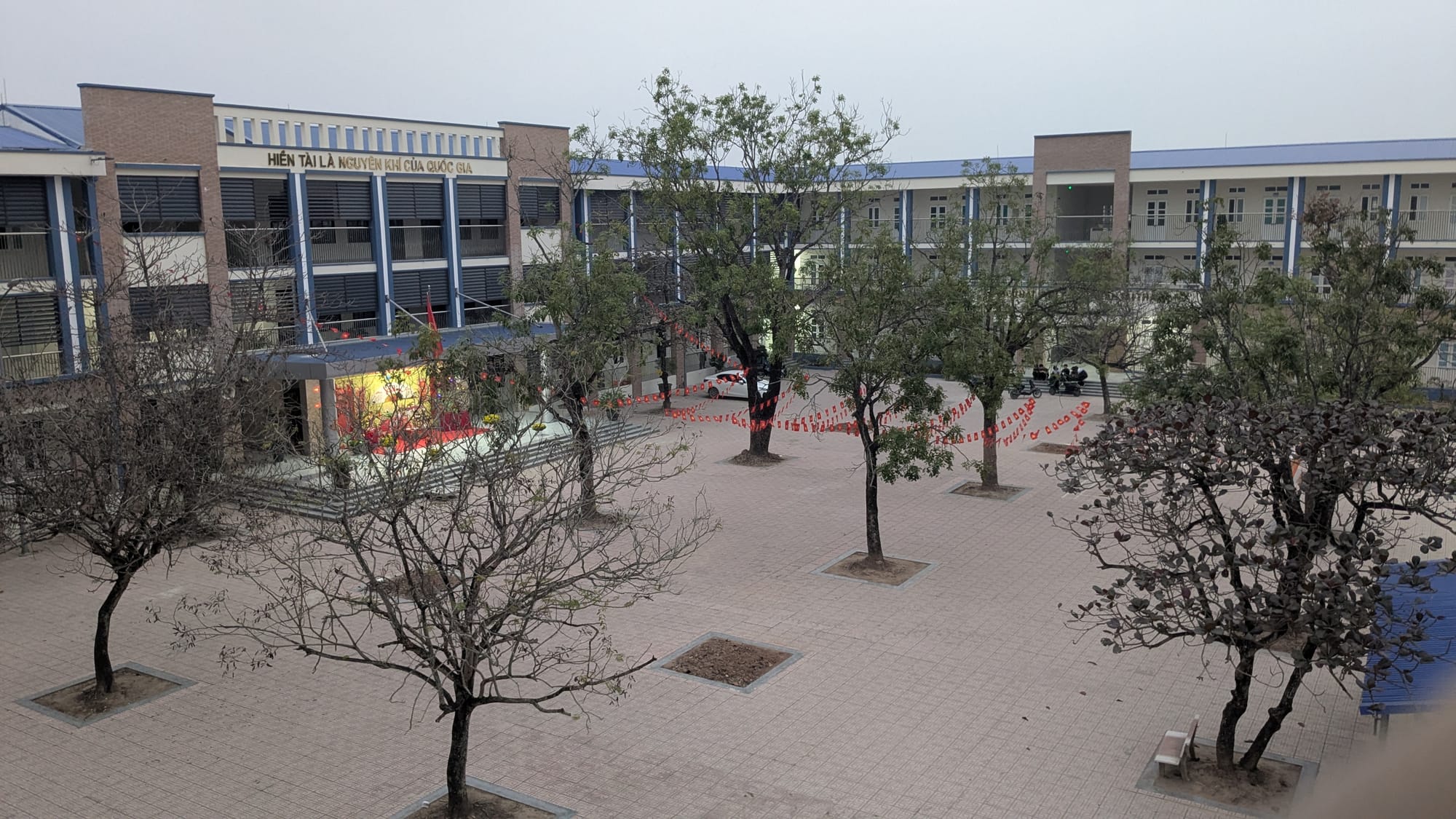
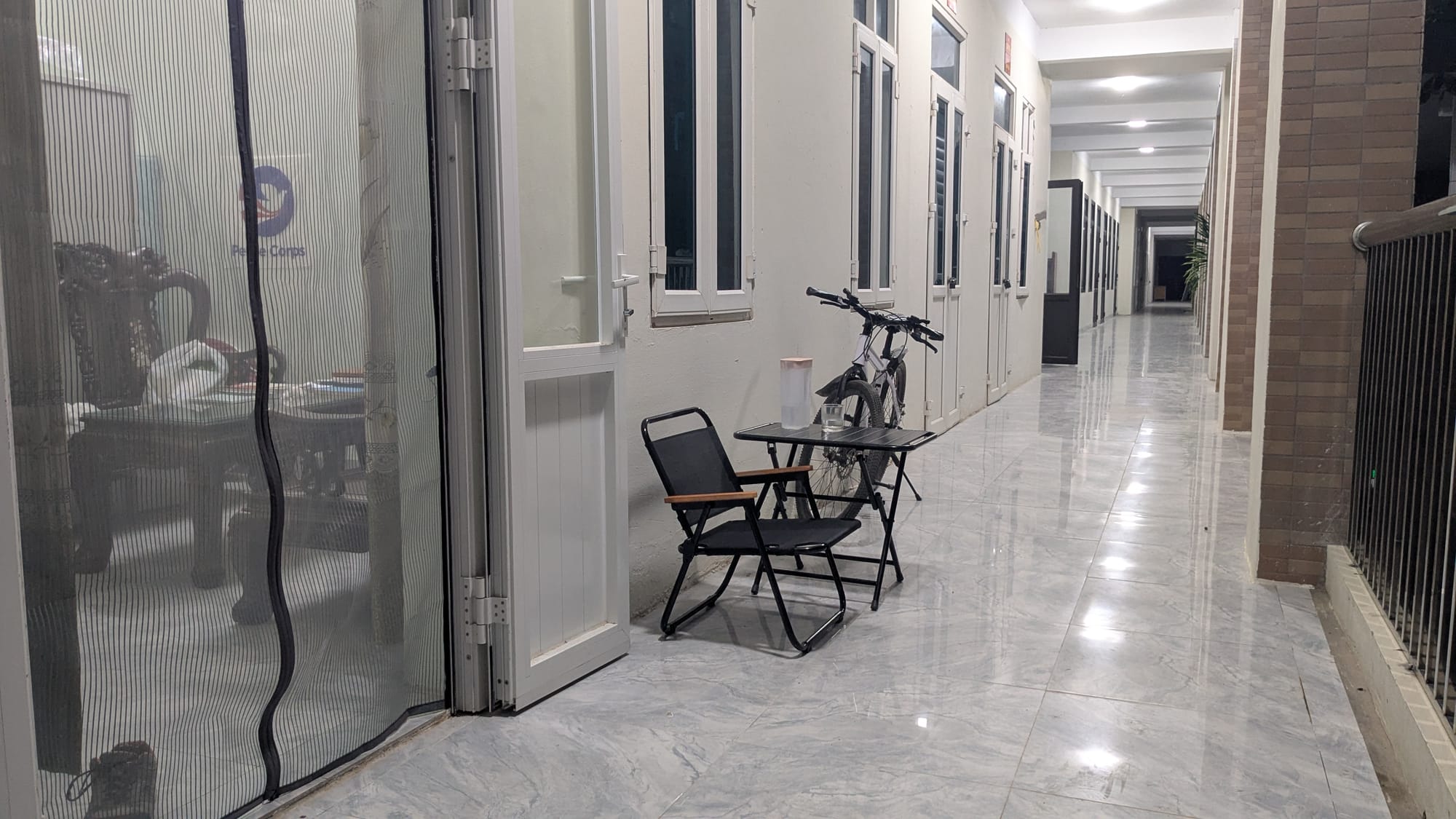
During the summer, the sun glares directly into the windows on my front door, but I have heavy curtains that I draw when I'm not "open" to visitors, or when I want to keep this sun out. Since some students come to the school on the public bus that only runs every 45 minutes, there are already students at the school by 6:00am, sleeping in dark classrooms or playing video games on their phones. I have to walk down the hallway to a restroom by the students' restrooms to shower and get ready in the morning.
Showering in the evening - after the sun goes down and before sitting down to dinner with your family or friends - is essential in a humid country. The janitor found it funny that I shower in the morning, but over time I explained I have to do both. I have to wash my hair in the mornings or it will look "crazy".
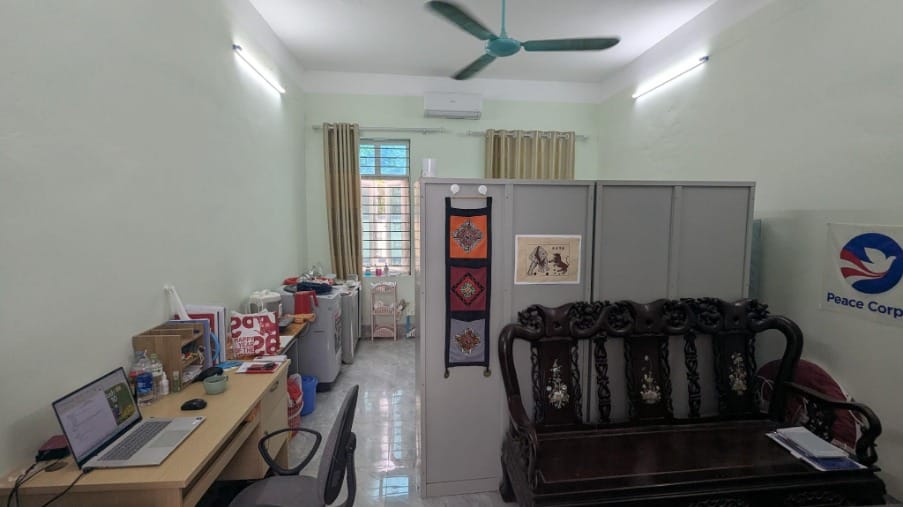
Sometimes, I just wash my hair in the sink in my room. Due to the construction at the school, there have been times when I didn't have running water to shower, so I got adept at doing this. I learned to balance a shallow washbasin on my shoulders, lean over and tip the water out steadily over my hair. I'm lucky that I have a sink in my room and a washing machine which was a gift from the school; not all volunteers have this. The water from these just drain directly onto the ground outside my room. There is nothing behind my room except a service road, a concrete security wall; on the other side of the wall is a drainage ditch.
At my small kitchen area, I have only one electric range and one rice cooker on an old desk for two students. The Peace Corps' housing coordinator sent me some vinyl material to create a backsplash. I also covered the wooden desk with this material to make it easier to keep wiped clean.
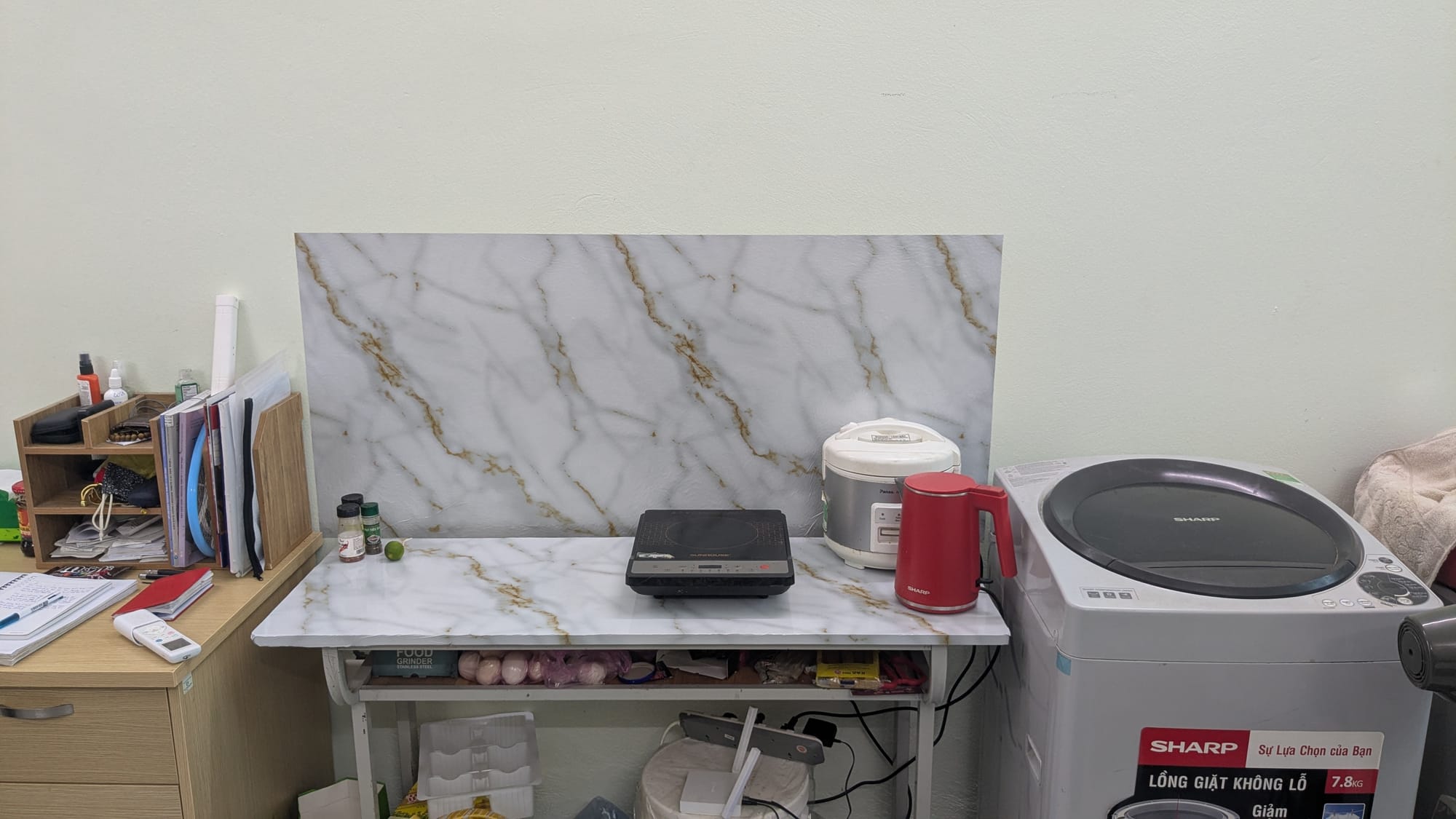
A typical breakfast is 2-3 eggs scrambled with a splash of fish sauce which takes less than a minute to make. The fish sauce makes the eggs very runny, so they coat the pan flat and can be rolled into an omelet or crepe shape, but they are so juicy and tasty. These are finished with a handful of fresh chopped green onions. I usually have fruit with this, or overnight oats (sourced from an import store in the city), or jam on toast. The local white bread is made after the Japanese style and slightly sweet; I think it is mostly fed to children.
I have a mosquito net on my front door and back window which create a perfect breeze way for airing out my room of kitchen smells. The front door has a magnetic strip in the middle, but it's funny when people come to my room they never understand where the opening is at first.
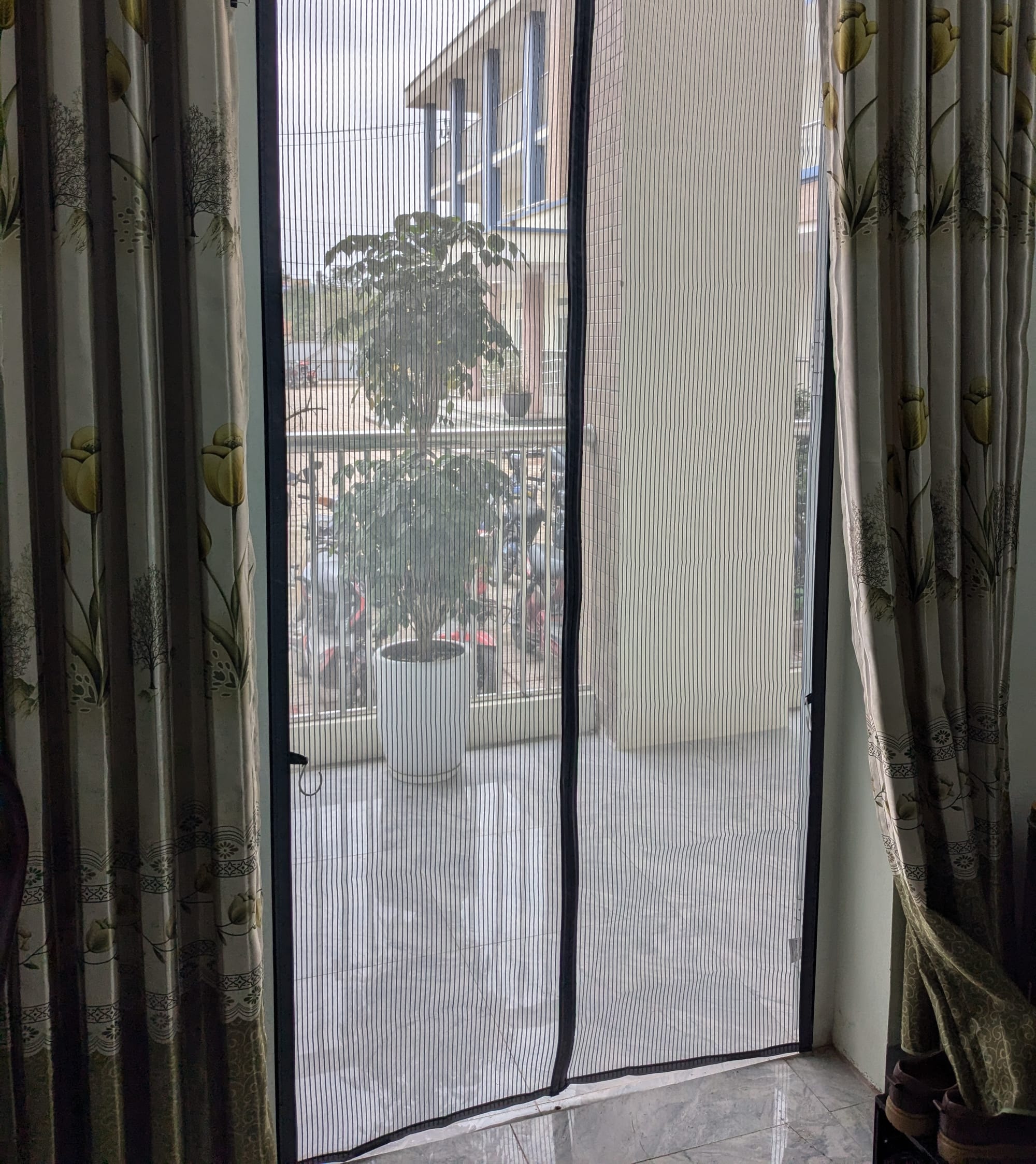
During the summer I can air dry my clothes outside my room here, but during the school year I am not inclined to hang my undergarments out here next to the senior classrooms.
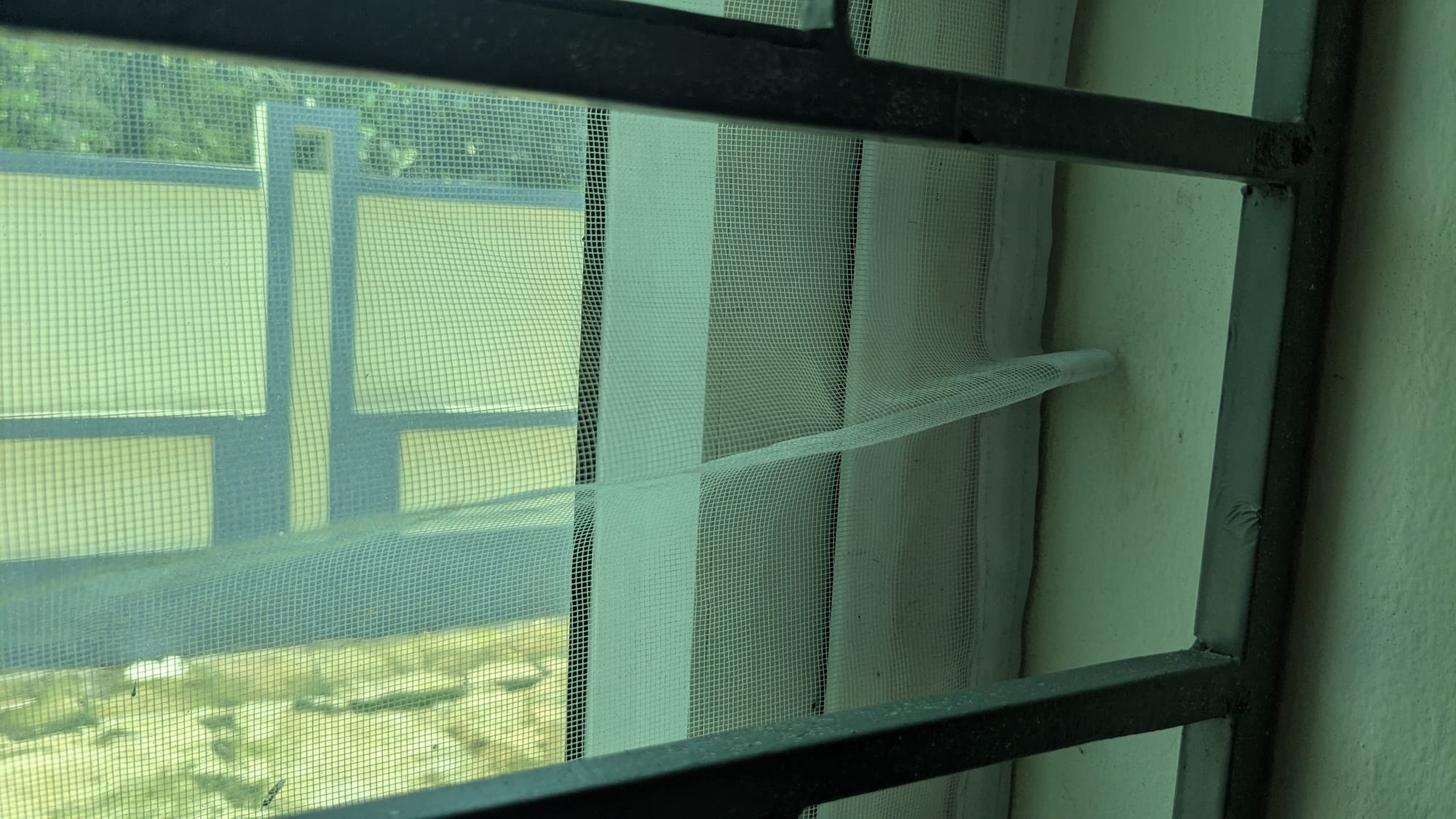
On the back window, I cleverly made a fold in the mosquito netting so that I can easily un-velcro it on one side to open the window on the other side.
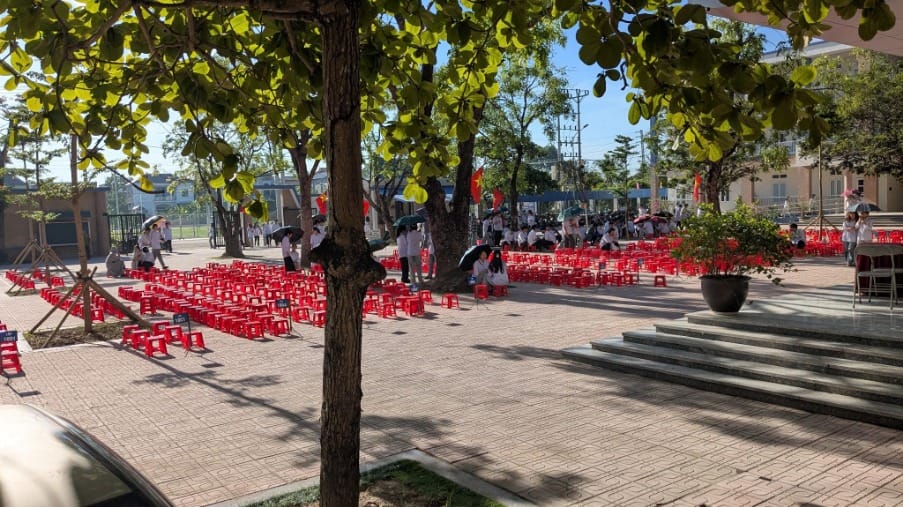
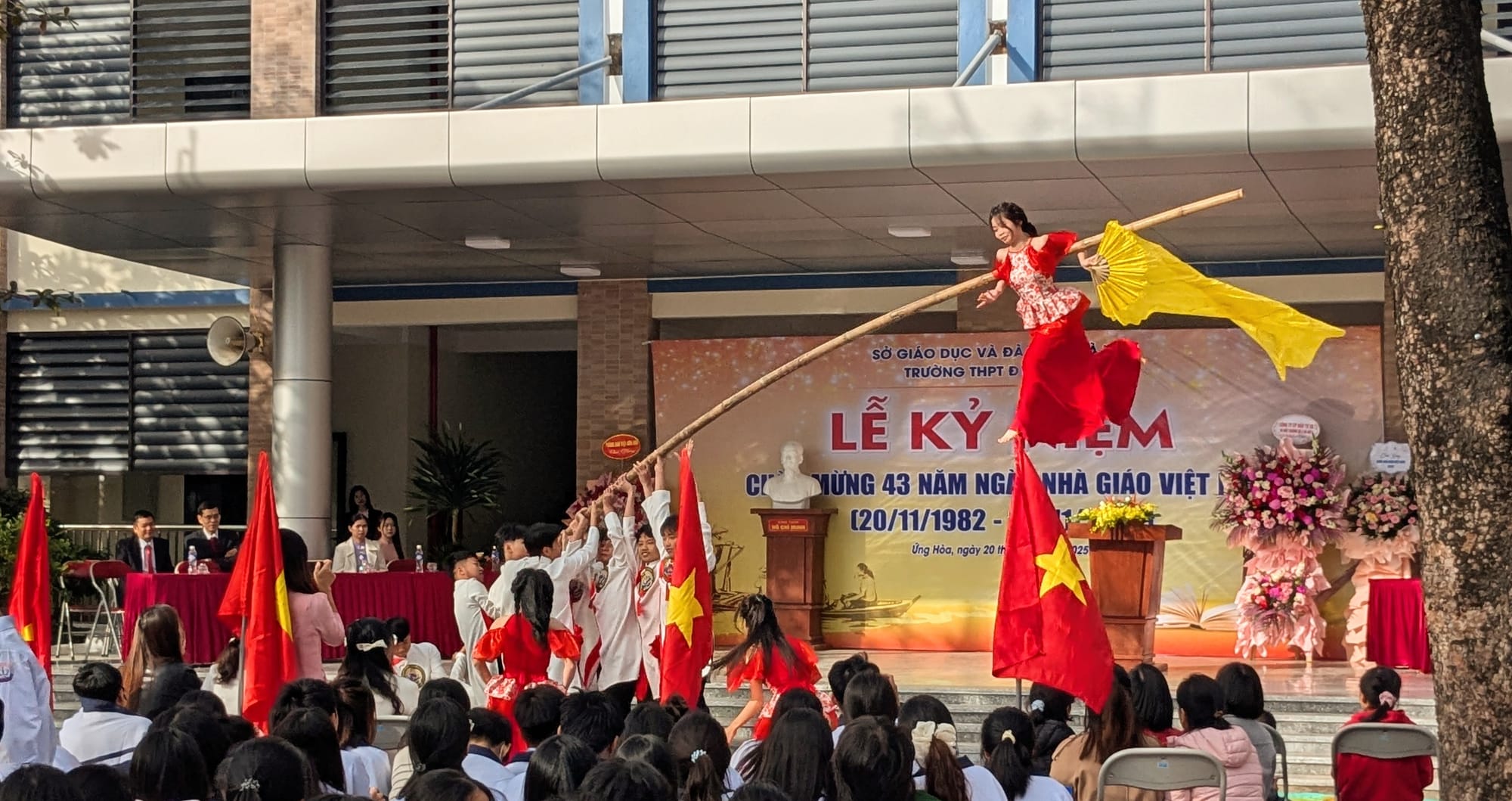
On Monday mornings, the school week starts with a flag ceremony with the national anthem, a speech from a principal, and sometimes a ceremony to celebrate some occasion. Sometimes students have prepared some karaoke song or group dance routine. I am always impressed by the level of showmanship and pageantry they can muster with only a limited time to plan and practice.

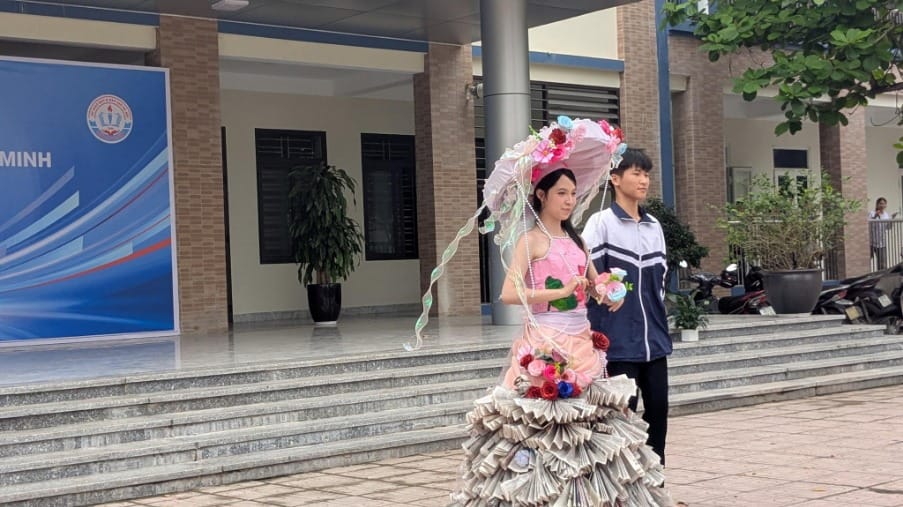
For Earth Day, they had a fashion show where all of the dresses were made out of recycled materials.

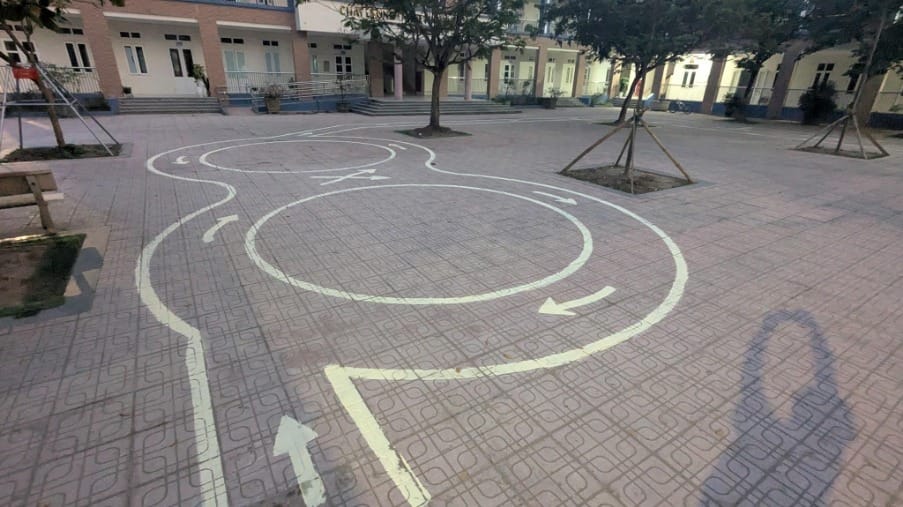
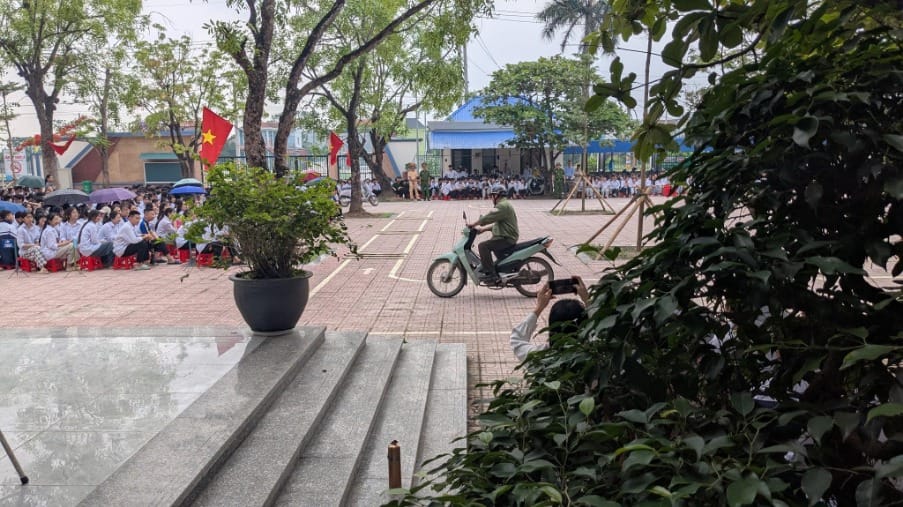
On another such morning, there was a demonstration of motorcycle driving practice for safety. A course had been painted around half of the courtyard nearest my room. The head guard demonstrated and then several students were volunteered to give it a shot. It was not a formal driver's test, but an invitation to use this course to practice your skills of balancing and turning sharply at relatively slow speeds. For months since this day, students often show up in the evenings on their bikes to drive around the course a couple times.
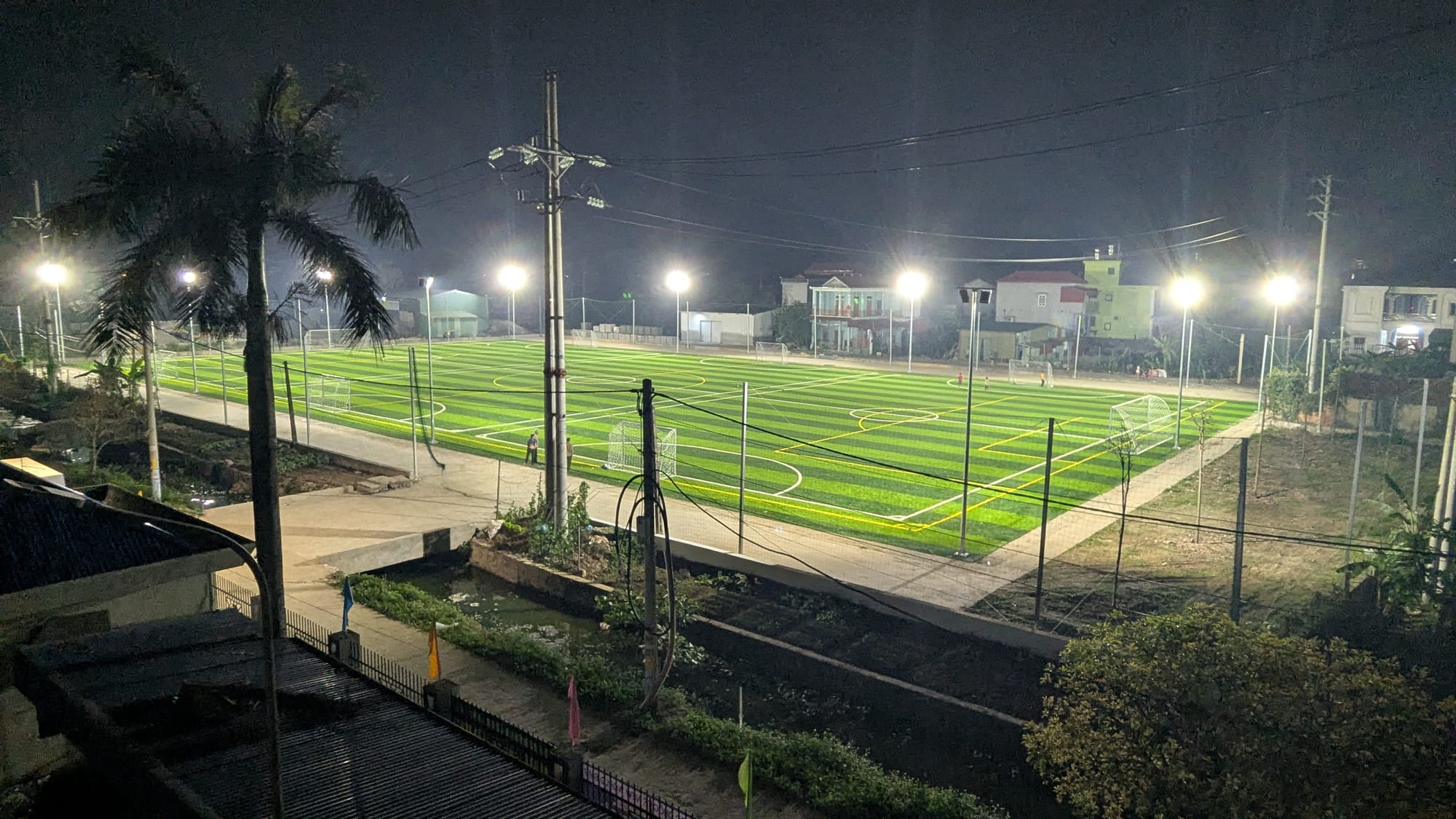
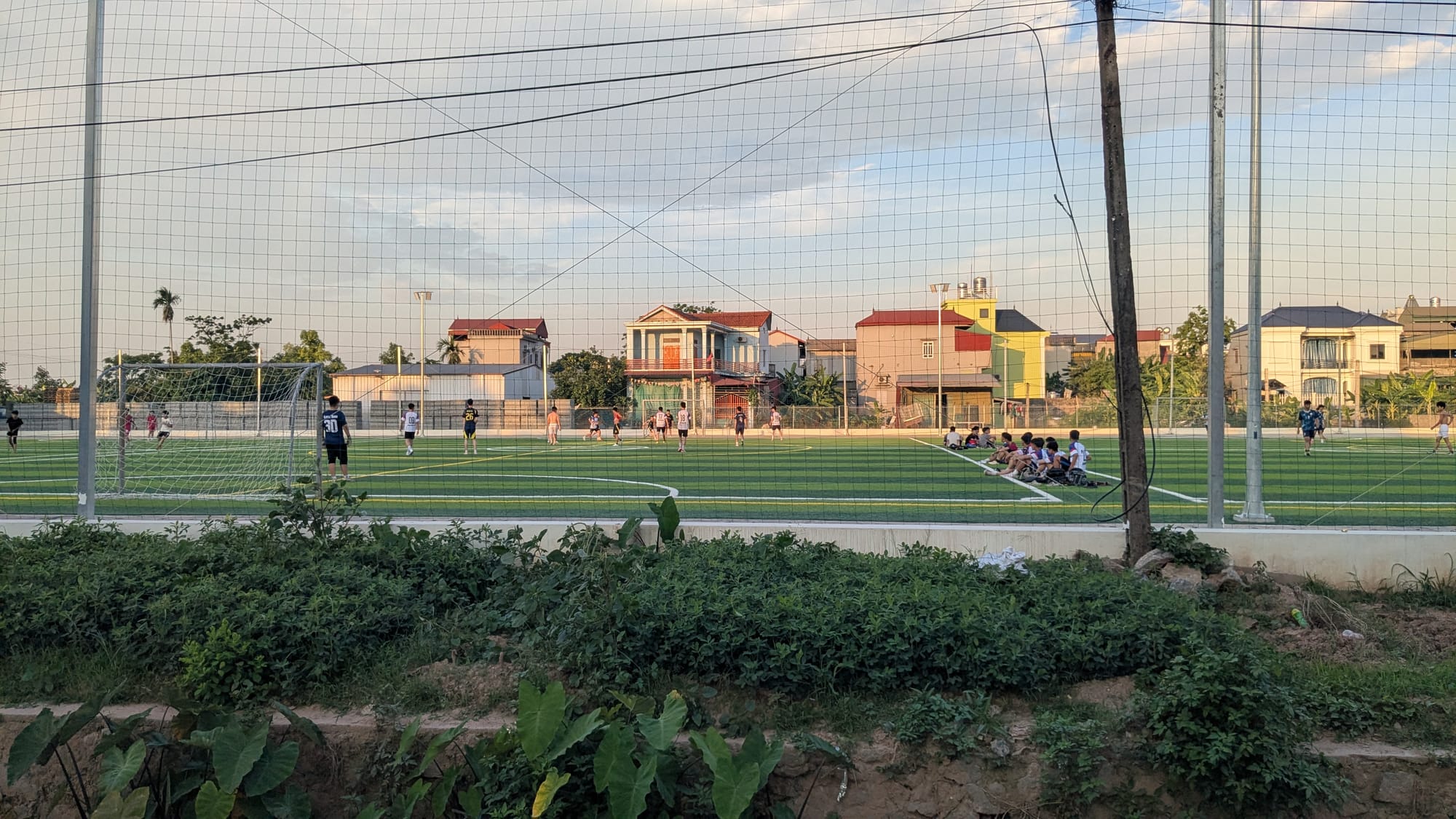
In the afternoons, when the sun is close enough to the horizon for shade, it is time for working out. My school doesn't have all of the activity of some larger schools. We don't have volleyball or basketball. The football stadium which is now open in front of the school has three fields that are busy every evening, both by the students and adults from around the commune of surrounding villages.
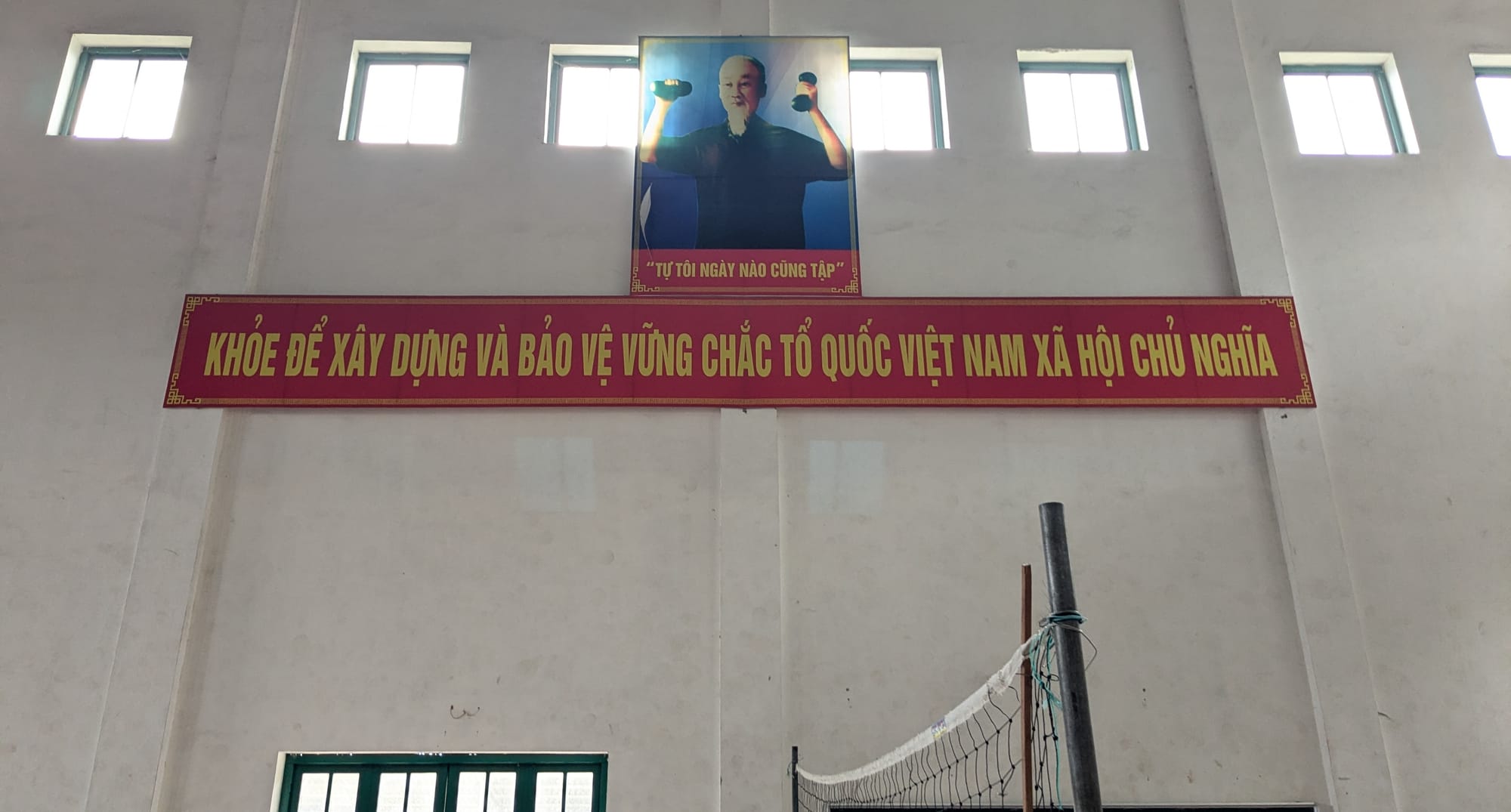
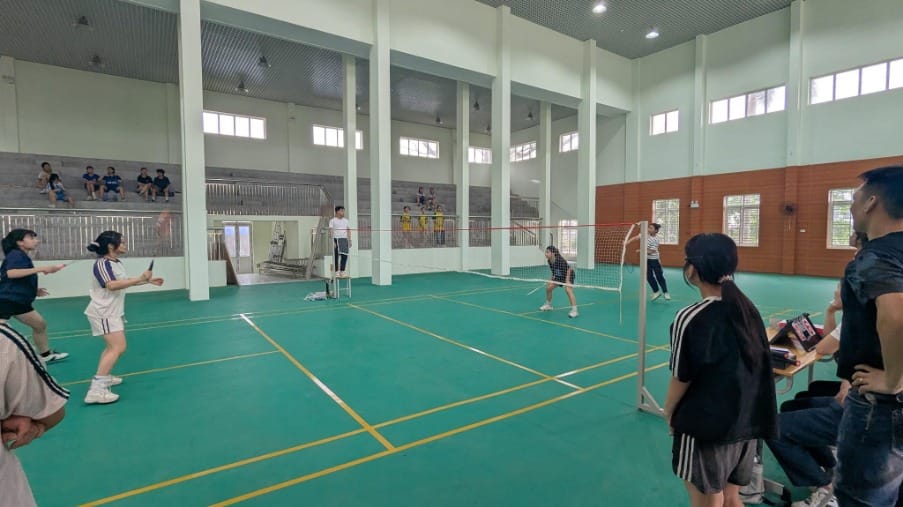
But I am not really good enough at that. But I did start playing badminton reasonably often for a time. But in the summer it was too hot, and no one wanted to play sports outside as much.
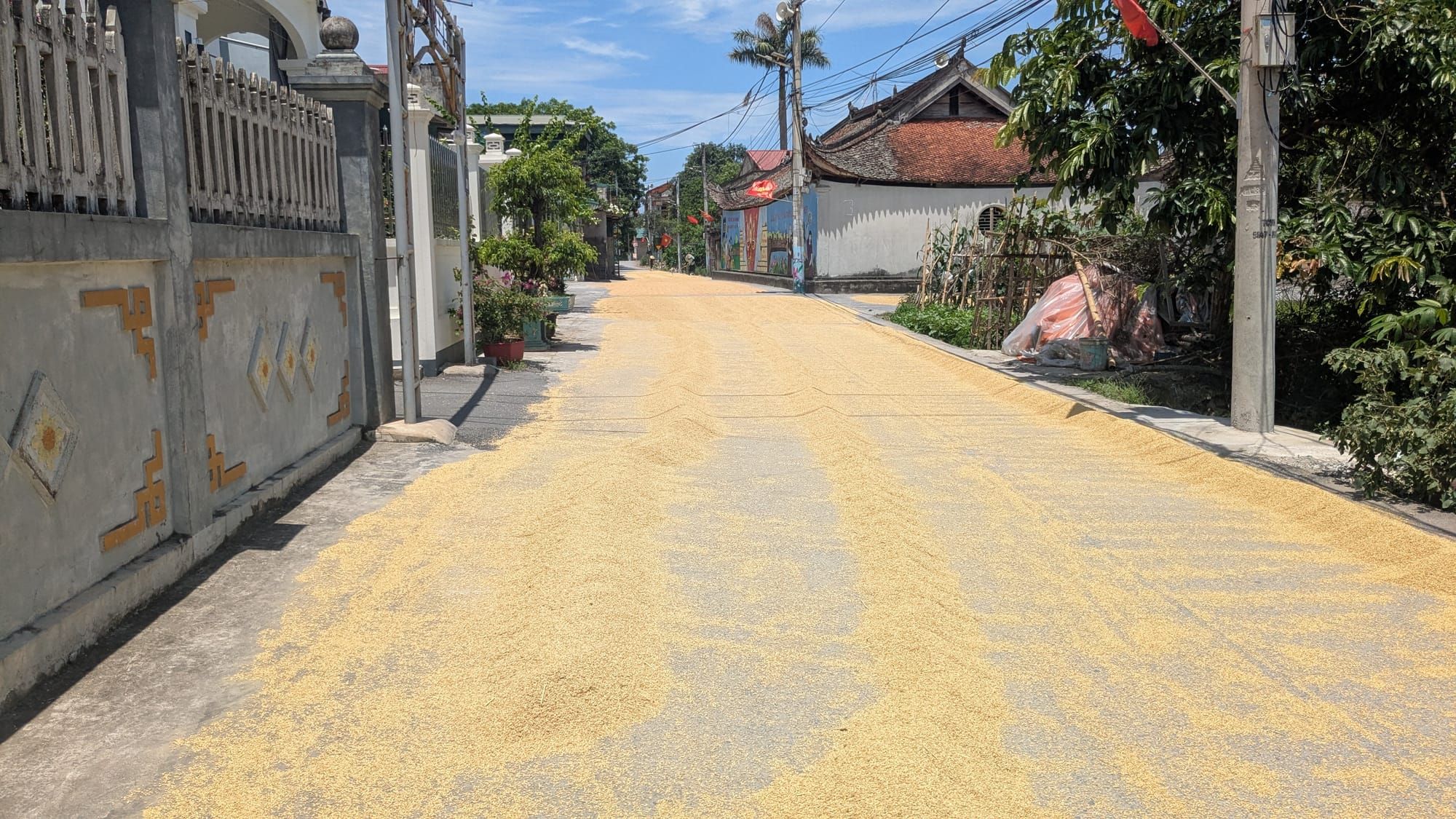
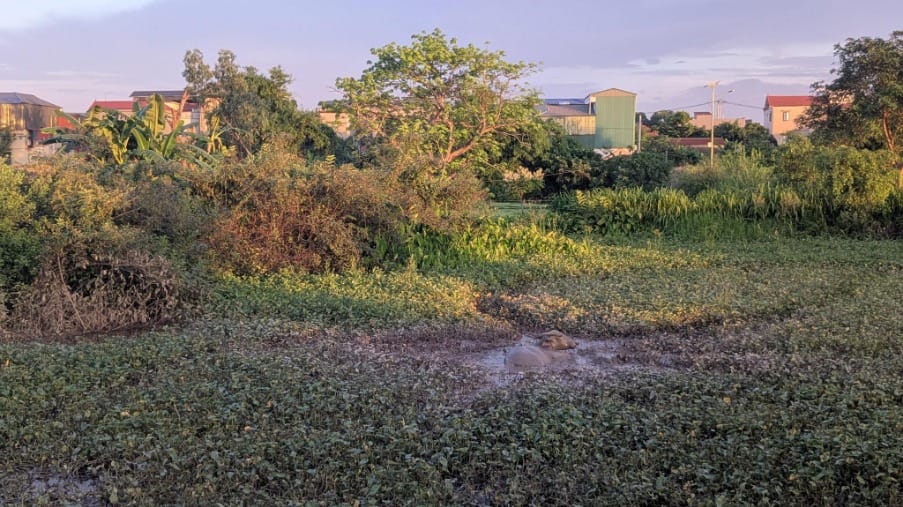
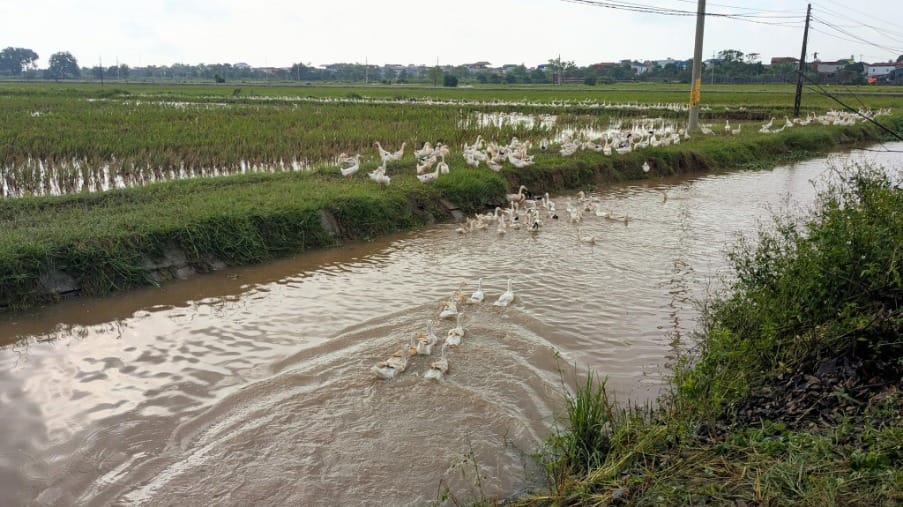
Hà Nội is not only the city but also a large province surrounding it. There are some industrial centers, some locations dedicated to tourism and wildlife sanctuaries, and areas protected for agriculture. I live in the latter, in a humble village devoted to rice farming and ducks.
Two years is just the right amount of time to properly appreciate the seasonality of food here. A lot of Vietnamese culture draws its origins on having enough village labor and teamwork to be able to harvest and then dry rice quickly within a very narrow window of opportunity. Other harvesting tasks also take on this culture of teamwork.
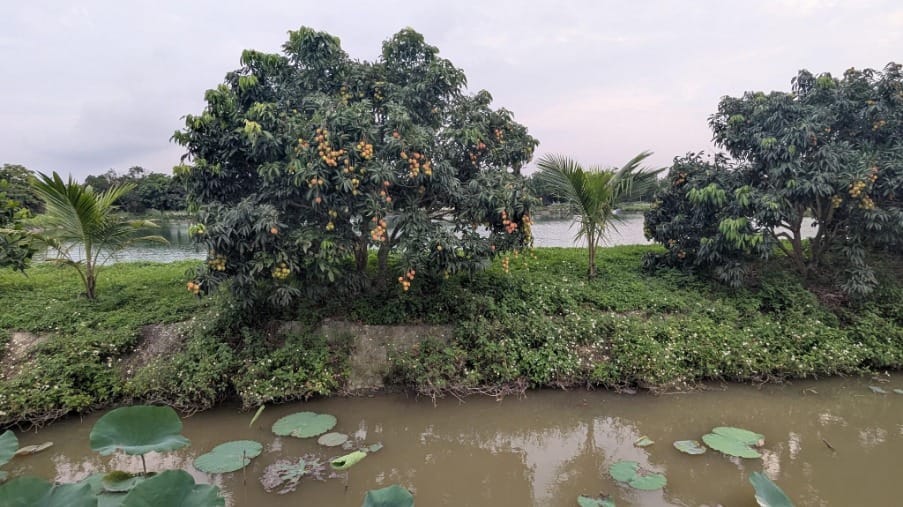
Recently, I came across my friend Chị T with other neighbors on the side of the street with a big pile of tree branches. I squatted down on a stool next to them to help them pluck the clusters of strange green fruit into buckets and was rewarded with a sack of my own to take home for my troubles. I didn't know the name of the fruit but they told me I could put it in soup (whole) to make the soup sour.
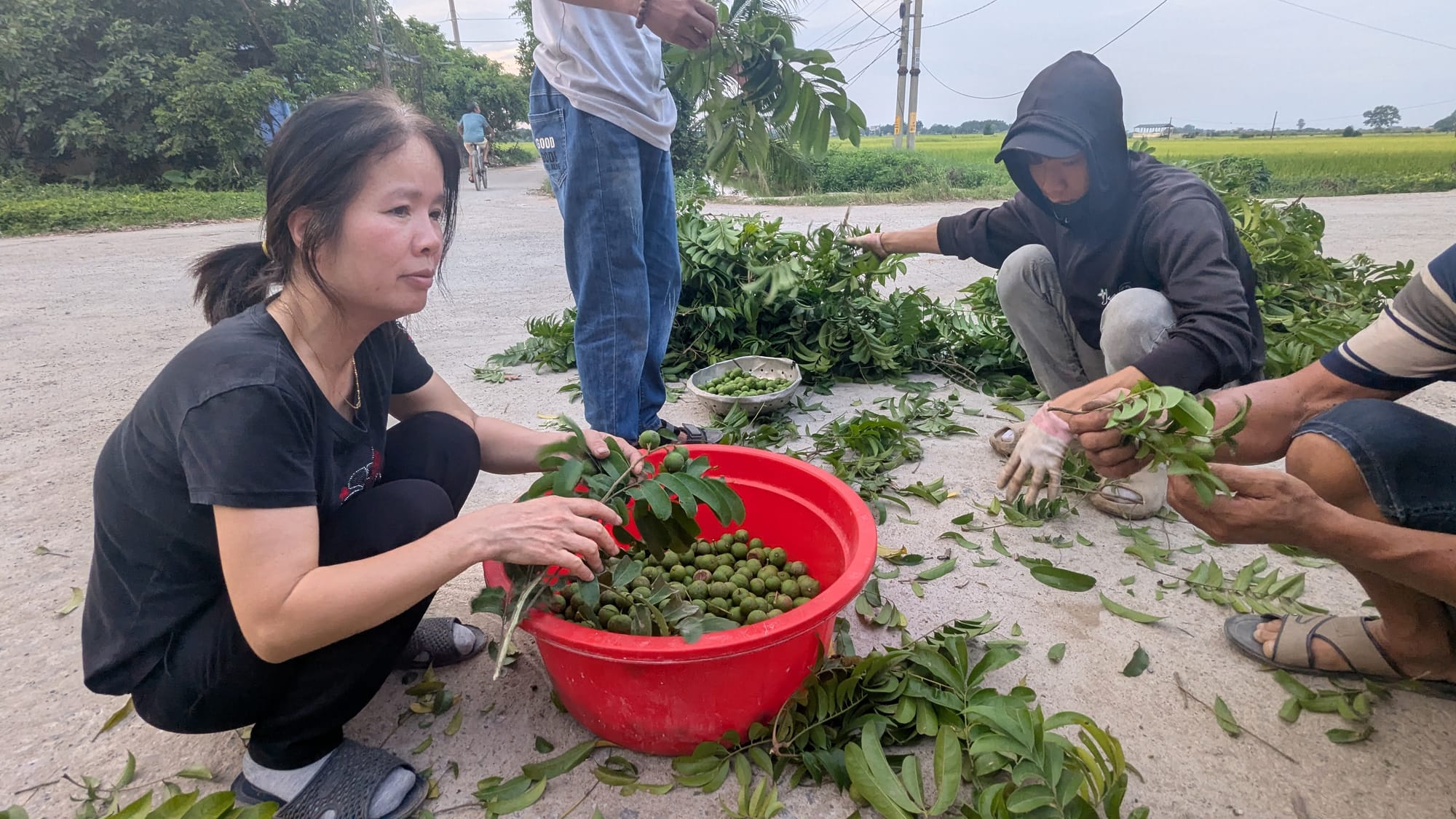
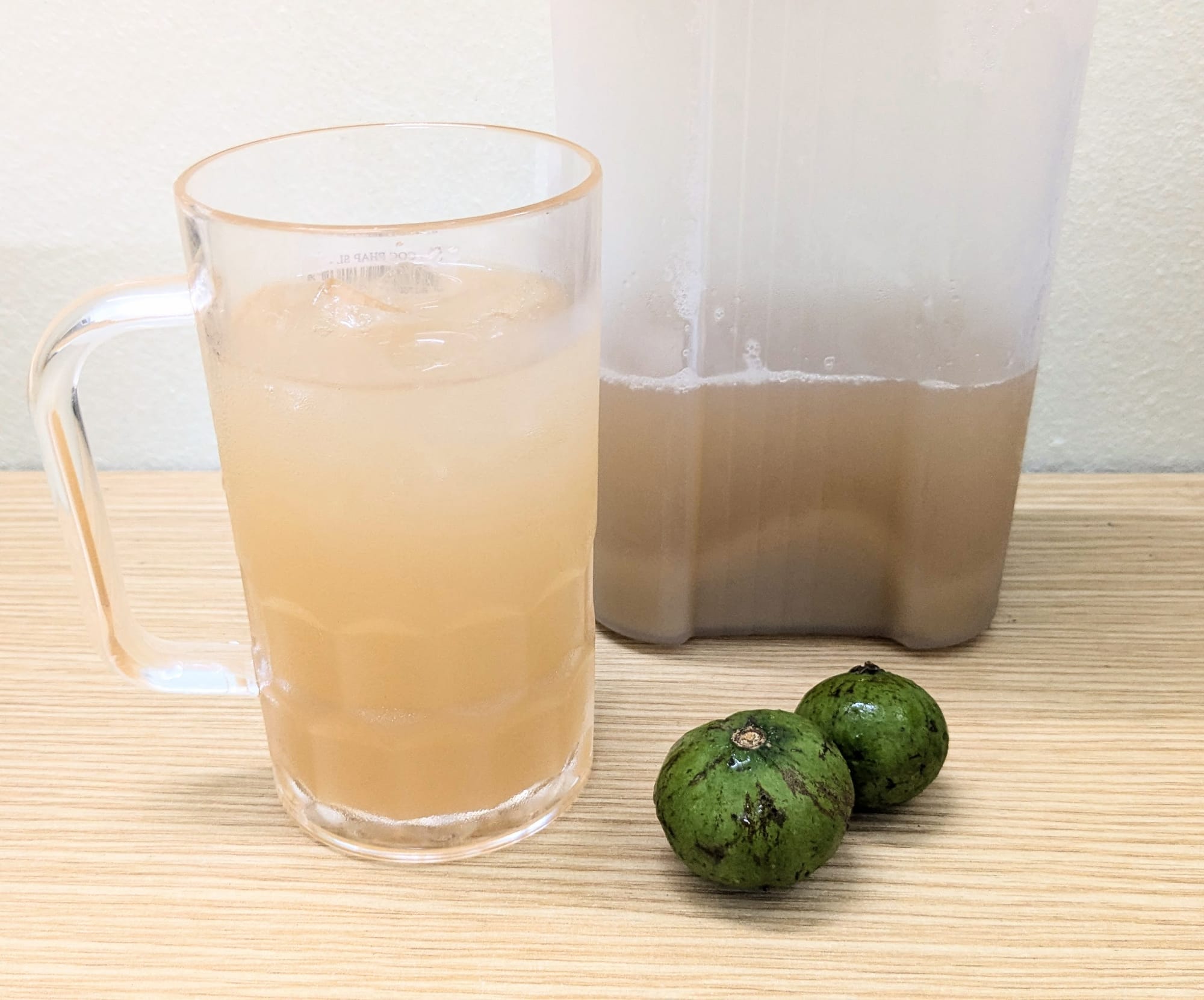
I eventually found the correct word to translate and learned that the English name is dracontomelon. It's a very fibrous, vegetal tasting fruit that you wouldn't want to eat raw, but gives a nice non-citrus acidity to dishes its cooked in. I had so many, though, that I decided to try to make a whole pitcher of a "lemonade" style drink with it. This was mega-delicious, close to tamarind drink in flavor but crisper and more refreshing. I learned later that this is in fact a popular drink throughout Southeast Asia.
After working out, cycling, or helping out in the garden, it's time to prepare for dinner. Most days I cycle to the nearby market to grab some fresh produce. There are two larger stands run out of homes which have most of the specialty produce from outside of the village, but there are many older women with blankets on the ground selling things they've grown. They always wave me over eagerly, excited to try to get my business. Perhaps I have a reputation because I rarely haggle unless I get a price that I really don't believe.
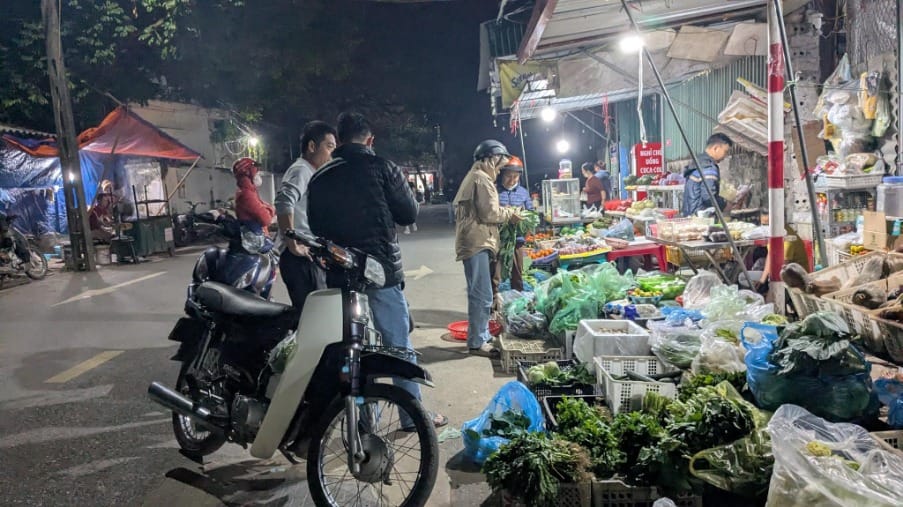
Lately, I'm tired of eating pork which is the most prevalent butchered meat I can buy in the village. Chickens are mostly sold live to be slaughtered at home, and fish are sold whole. At the small Winmart convenience stores you can by ground meat and chicken pieces butchered in the western style, and lately a new store opened that's only 6 km away. An hour-long bicycle ride (there & back) is a good combination errand and work-out.
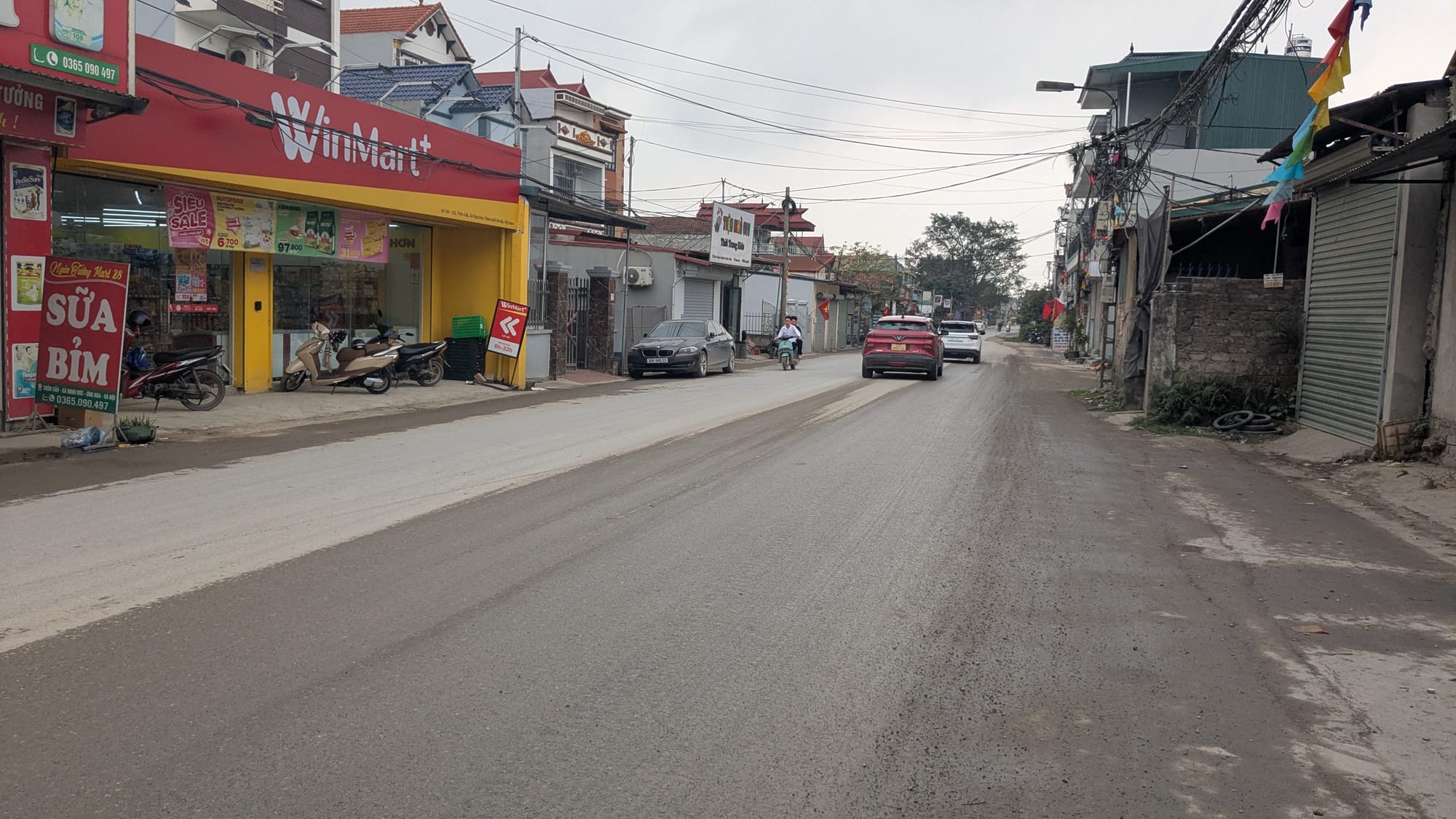
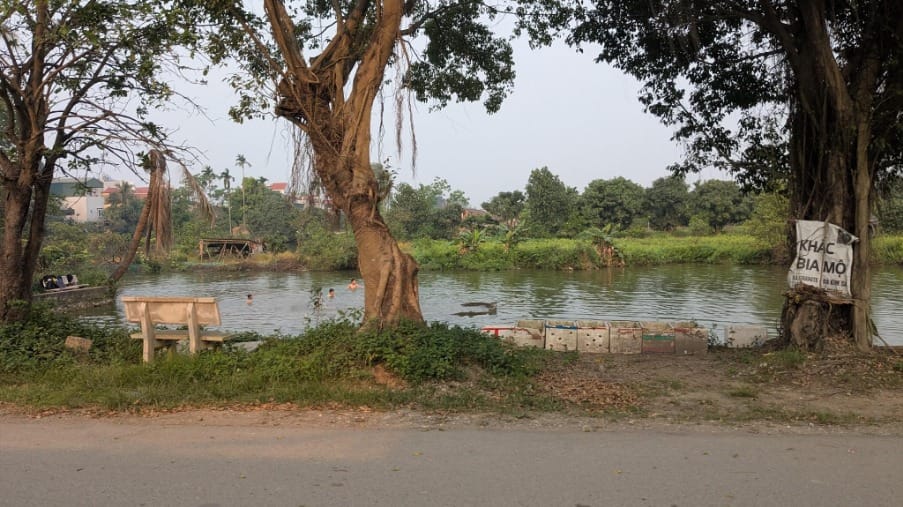
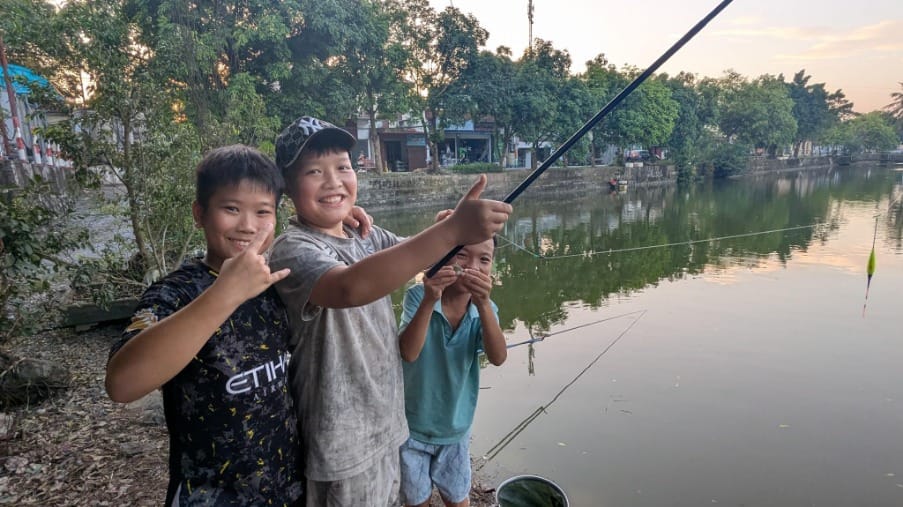
After dinner, I am encouraged to walk laps around the courtyard to aid digestion and some of the school's staff and neighbors often walk laps there or in the football field just outside. One guard loves to fish, so when he's on duty for the night he usually fishes off the bridge to the stadium. The drainage ditch there can't be more than a foot deep and is very murky, but he often catches some small fish that don't look like they would have much meat to eat.
When it's time to retire to my room, I often find little yellow bumpy frogs huddled by the crack near my door. I think they like the cool air-conditioned air that comes from within. At the ceiling, a bunch of geckos scatter as well. They are the same translucent color as Texas geckos but these make a strange and loud chirping noise which sounds almost bird-like. This call often echoes throughout the school corridors at night.
The gates are locked at 9:00pm at night. Most people are going to bed soon after to start the day at 5:00am or earlier. I feel cooped up from working and living in the same small room all day, but on cool nights I sit outside in a small folding chair I bought, the kind that is usually outside coffee shops, sipping an iced tea (or dracontomelon juice).